
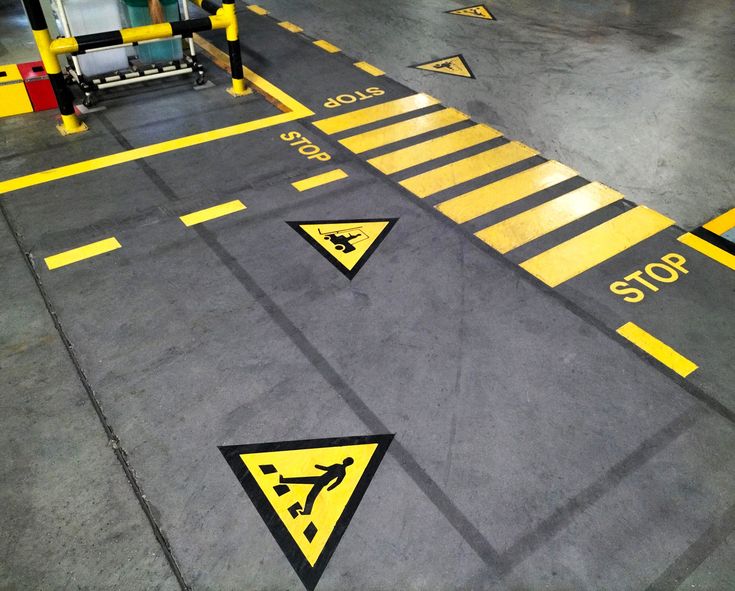
Safety line marking is an essential part of maintaining secure, efficient, and well-organised environments across industries. From warehouses and factories to parking areas and commercial facilities, clearly marked lines play a critical role in guiding movement, reducing risks, and ensuring compliance with safety standards. Businesses that invest in proper safety line marking create safer spaces for employees, visitors, and vehicles.
What is safety line marking?
Safety line marking refers to the use of colored lines, symbols, and patterns applied to floors or surfaces to communicate important safety information. These markings help define walkways, restricted zones, loading areas, and emergency exits. They are commonly used in industrial and commercial settings where clear visual guidance is necessary for safe operations.
Why does safety line marking matter?
The primary purpose of safety line marking is to prevent accidents. Clearly defined pathways help separate pedestrian traffic from vehicles, such as forklifts, reducing the likelihood of collisions. Marked hazard zones alert workers to potential dangers, improving awareness and encouraging safer behaviour.
In addition to safety, line marking improves efficiency. When spaces are clearly organised, employees can navigate the workplace more easily, saving time and minimising confusion. This leads to smoother workflows and increased productivity.
Compliance is another important factor. Many workplaces are required to follow safety regulations that include proper floor markings. Using professional safety line marking helps meet these requirements and demonstrates a commitment to workplace safety.
Common types of safety line markings
Different environments require different marking solutions. In warehouses, lines are often used to designate storage areas, aisles, and equipment zones. Yellow lines typically indicate general caution areas, while red markings highlight fire equipment or emergency zones.
In car parks, safety line marking ensures proper traffic flow, pedestrian crossings, and accessible parking spaces. Industrial facilities may also use striped or chevron patterns to mark hazardous zones and keep workers at a safe distance.
Materials used for safety line marking
The durability of safety line marking depends on the materials used. Epoxy coatings are popular for indoor environments due to their strength and resistance to wear. Thermoplastic markings are commonly used outdoors because they can withstand heavy traffic and harsh weather conditions.
Water-based paints are another option, often chosen for their lower environmental impact and ease of application. The right material depends on factors such as traffic volume, surface type, and environmental conditions.
Best practices for effective safety line marking
For safety line marking to be effective, proper planning is essential. The layout should be designed to suit the specific needs of the space, considering traffic flow, equipment movement, and safety regulations. Consistent colours coding helps ensure that markings are easy to understand.
Surface preparation is also important. Clean, dry surfaces allow the markings to adhere properly and last longer. Regular inspections and maintenance help keep markings visible and effective over time.
People also ask
How long does safety line marking last?
The lifespan varies depending on the material and level of traffic. High-quality epoxy or thermoplastic markings can last for several years with proper maintenance.
What colours are used in safety line marking?
Common colours include yellow for caution, red for danger or fire equipment, green for safe zones, and white for general markings.
Is safety line marking required by law?
In many industries, safety line marking is part of workplace safety regulations. Requirements may vary depending on location and industry standards.
Conclusion
Safety line marking is more than just visual guidance. It is a practical solution for improving safety, organisation, and efficiency in any environment. With the right materials, proper planning, and regular maintenance, safety line marking helps create a structured space where risks are minimised, and productivity can thrive.