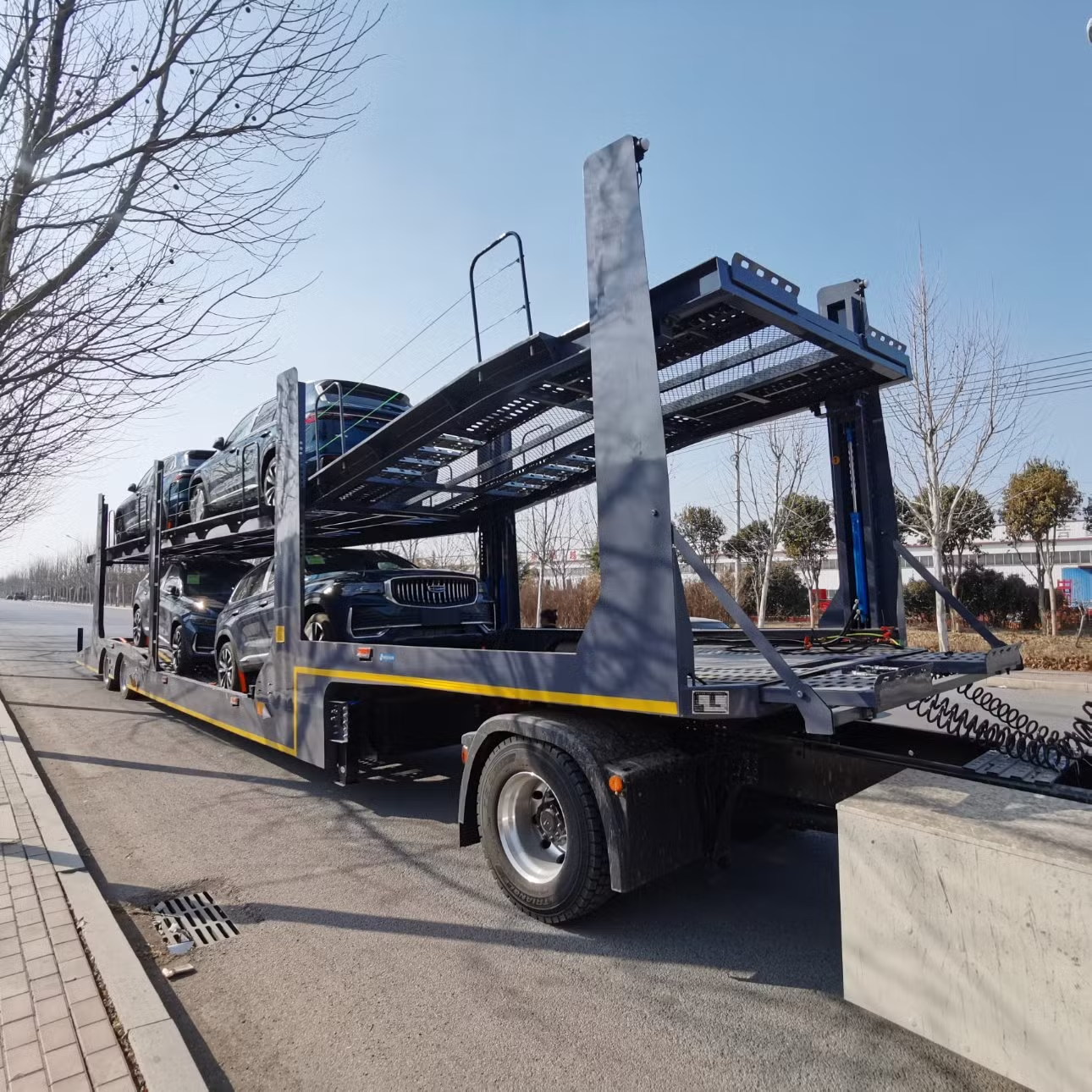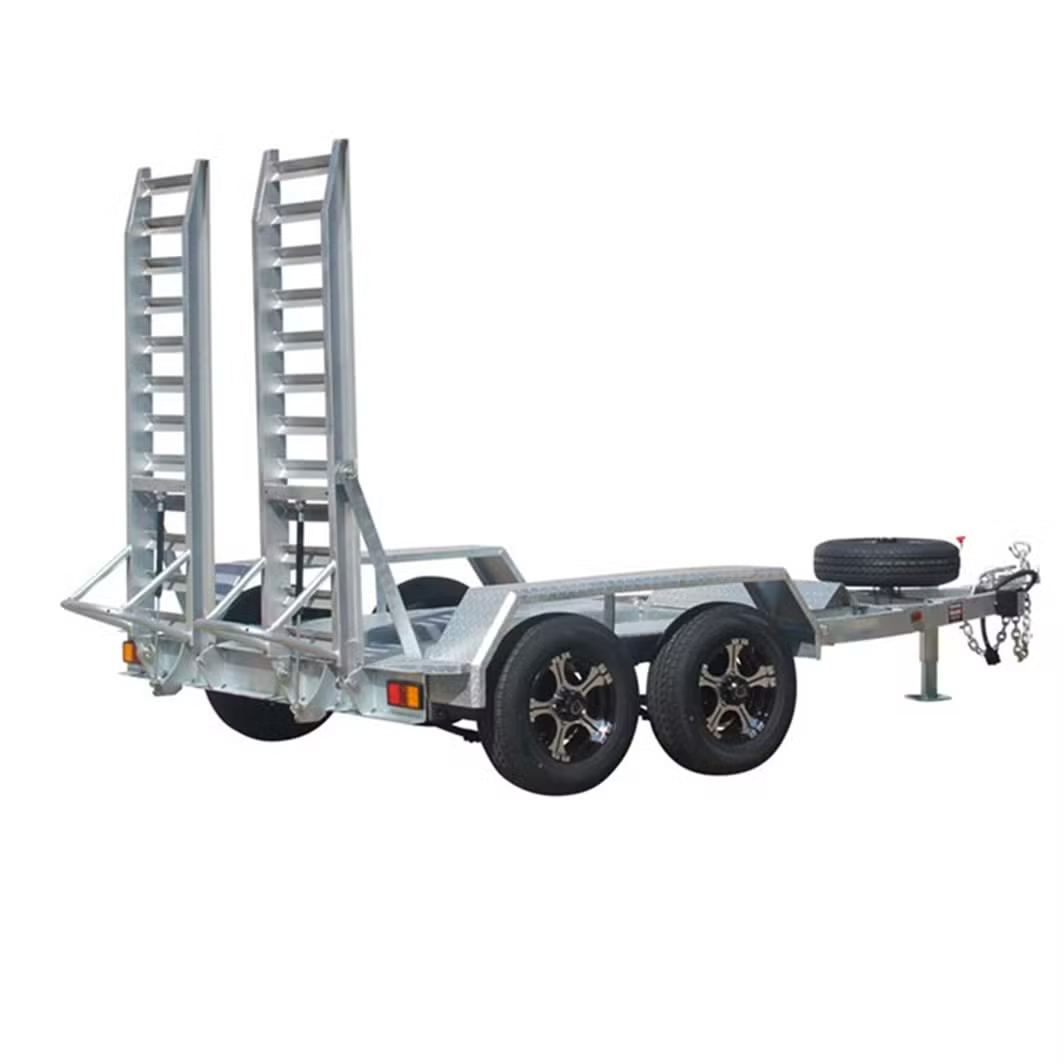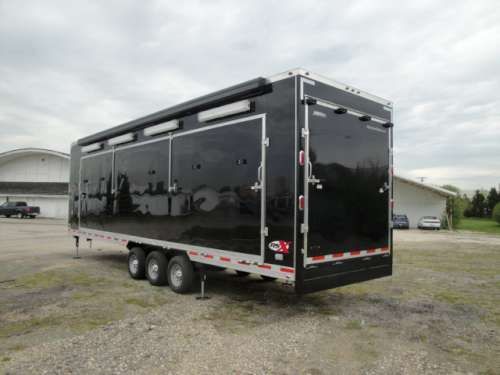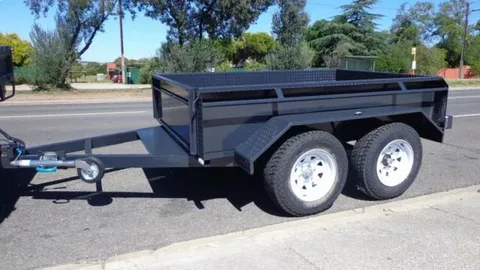
Choosing a trailer starts with understanding what you need to transport and how often you expect to use it. From moving equipment and materials to carrying boats or recreational gear, different trailers are designed for different purposes. With numerous options available, knowing the key differences can make it easier to find a trailer that suits your vehicle, workload and lifestyle.
Match The Trailer To Its Purpose
The type of load you plan to carry should be the starting point. Box trailers are useful for general transport, gardening work and household projects, while enclosed trailers can provide additional protection for equipment and goods.
Boat trailers are designed around the shape and requirements of a boat, whereas specialised options can be suited to particular transport tasks. Looking at the intended application first helps narrow down your choices.
Think About Size And Carrying Capacity
Trailer size is not simply about having enough room. The trailer needs to accommodate the load while staying within its rated capacity.
Consider the dimensions and weight of the items you regularly transport. Choosing a trailer that is too small can limit its usefulness, while selecting one that is unnecessarily large may make towing and storage more difficult.
Check Your Vehicle’s Towing Requirements
Your trailer and towing vehicle need to work together. Before purchasing, check your vehicle manufacturer’s towing specifications, towbar rating and relevant trailer requirements.
The loaded trailer weight is particularly important. Staying within the appropriate towing and weight limits supports safer and more controlled towing on Sydney roads.
Features Can Improve Everyday Use
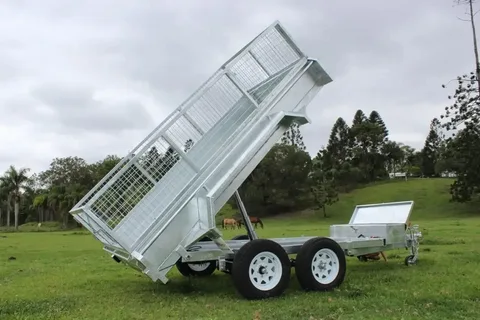
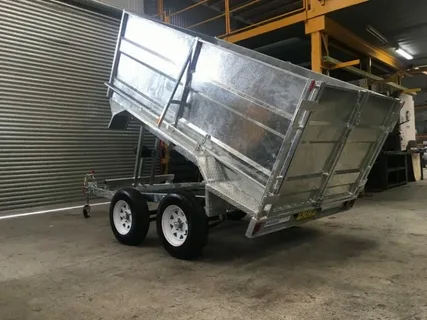
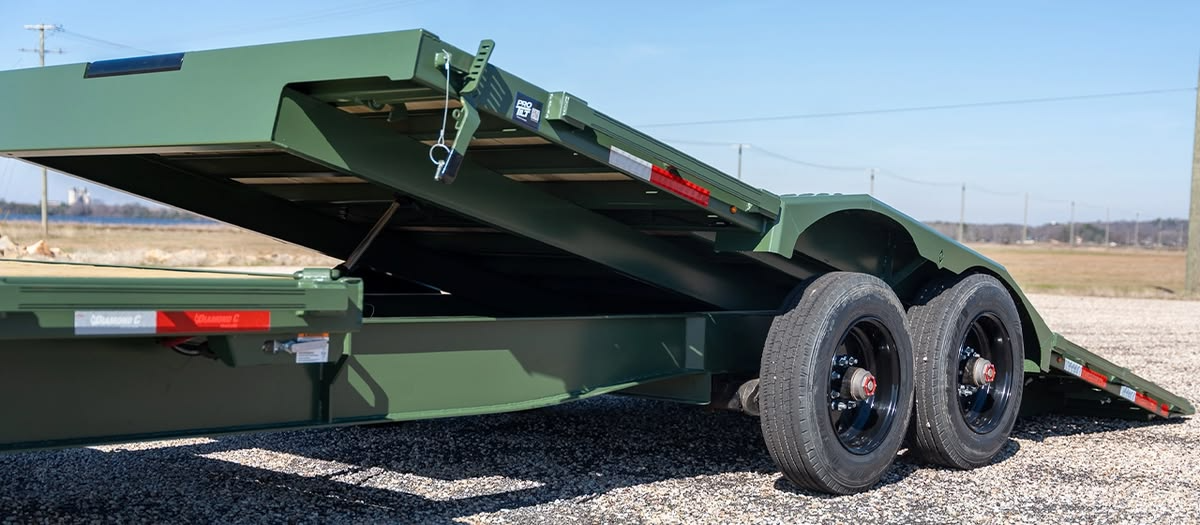
Small design details can make a noticeable difference when loading, unloading and securing a trailer. Depending on the trailer type, features may include ramps, cages, tie down points, adjustable components, enclosed storage or specialised trailer fittings.
Consider which features will genuinely support your regular tasks rather than paying for additions you are unlikely to use.
Consider Sydney’s Road And Storage Conditions
Where and how you use the trailer can also influence your decision. Frequent city driving may require a different approach to trailer size and manoeuvrability than regular trips involving larger loads or longer distances.
Storage is another practical consideration. Before choosing trailers in Sydney, think about where the trailer will be parked when it is not being used and whether you have enough space to manoeuvre it safely.
New Or Used: Which Option Works?
A new trailer can offer the benefit of selecting specifications and features to suit your requirements. A used trailer may provide another option, but it requires careful inspection.
When considering a used model, examine the chassis, tyres, suspension, coupling, lights, brakes and other components for signs of damage, corrosion or excessive wear. Check that the trailer’s specifications are suitable for your intended use.
Maintenance Should Be Part Of The Decision
A trailer requires ongoing attention regardless of how often it is used. Tyres, wheel bearings, lights, suspension and coupling components should be inspected regularly.
If the trailer is exposed to water or coastal conditions, cleaning and corrosion checks become particularly important. Proper maintenance can help identify worn components before they affect your next trip.
Finding Your Best Match
There is no single trailer that suits every Sydney driver. The right choice depends on your load, vehicle, towing requirements, available storage and the conditions in which the trailer will be used.
By considering these factors before making a purchase, you can compare trailers in Sydney more confidently and select an option that provides the capacity, practicality and features required for your everyday needs.