
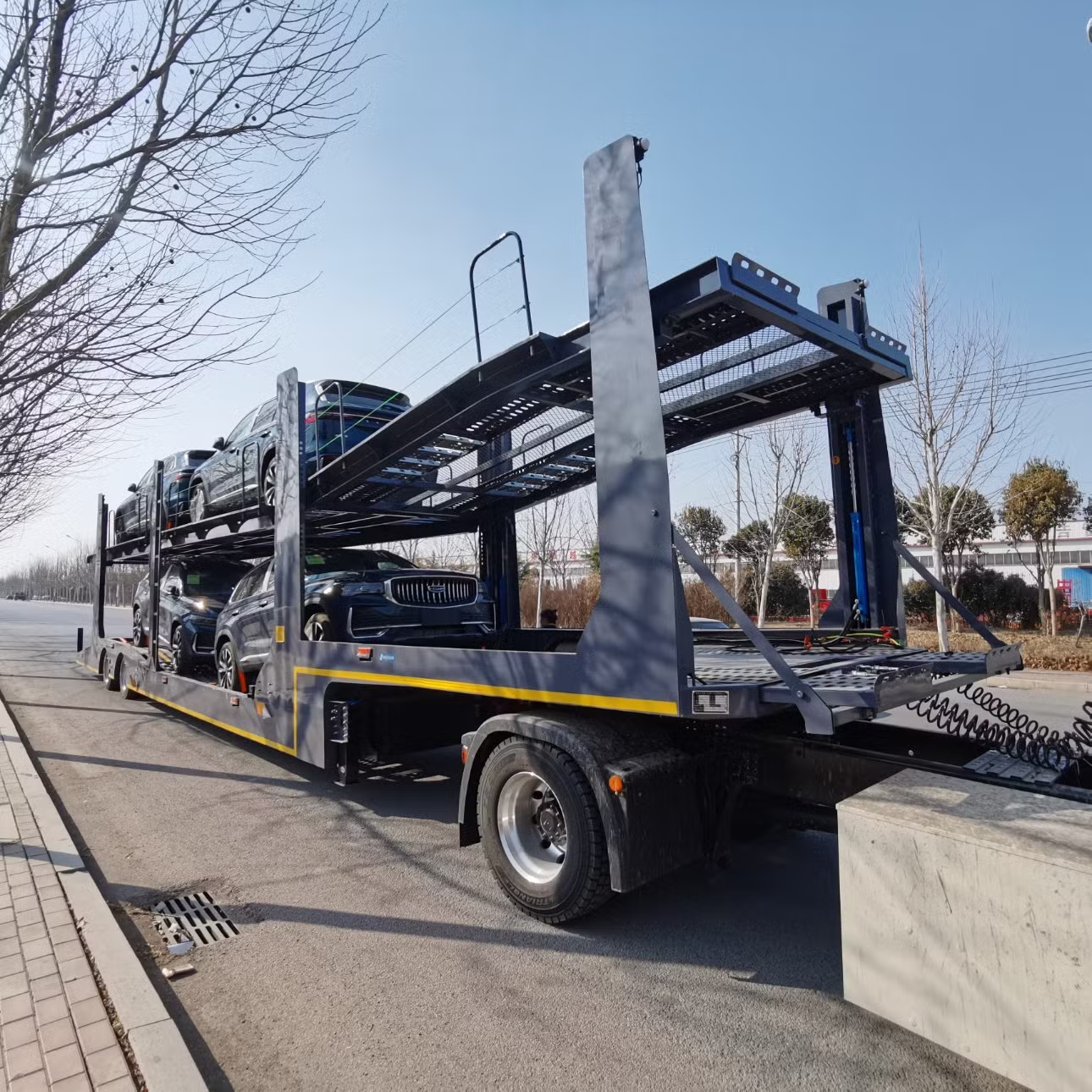
How Much Weight Can a Car Carrier Trailer Carry? Understanding Capacity and Towing
When transporting vehicles, choosing the right trailer capacity is essential for safety, performance, and towing efficiency. Many buyers researching a car carrier trailer for sale often have questions about how much weight these trailers can handle and what factors affect their carrying ability.
The weight capacity of a car carrier trailer depends on several factors, including trailer design, axle configuration, construction materials, braking system, and towing vehicle compatibility. Understanding these details helps buyers select the right option for their transport needs.
Understanding Car Carrier Trailer Weight Ratings
Every trailer has specific weight ratings that determine how much load it can safely carry. The most important measurements include Aggregate Trailer Mass (ATM), Gross Trailer Mass (GTM), and payload capacity.
The ATM refers to the maximum total weight of the trailer, including its own weight and the load being carried. The GTM represents the maximum weight supported by the trailer’s wheels and axles when it is connected to a towing vehicle.
When selecting a car carrier trailer for sale, checking these ratings ensures the trailer can safely transport your vehicle without exceeding recommended limits.
Factors That Affect Trailer Carrying Capacity
Several elements influence how much weight a car carrier trailer can handle. Understanding these factors helps buyers make better purchasing decisions.
Trailer Size and Design
The overall size and structure of the trailer directly impact its load capacity. Larger trailers generally have stronger frames and can accommodate heavier vehicles, while compact designs may be suitable for smaller cars.
The deck length, width, and frame strength should match the type of vehicles you plan to transport.
Axle Configuration
The number of axles plays an important role in weight distribution and stability. Single axle trailers are typically designed for lighter loads, while tandem axle trailers provide improved balance and support for heavier vehicles.
For frequent vehicle transportation, choosing a trailer with the appropriate axle setup can improve towing control and reduce stress on the trailer components.
Importance of Towing Vehicle Compatibility
A common mistake buyers make is focusing only on trailer capacity without considering the towing vehicle. The vehicle used for towing must have enough power and rated towing capacity to safely handle the combined weight of the trailer and the load.
Before purchasing a car carrier trailer for sale, always check your vehicle’s towing limits, tow ball rating, and braking requirements. Proper matching between the trailer and towing vehicle improves safety and driving stability.
Braking Systems and Safety Considerations
A reliable braking system is essential when transporting heavier loads. Many car carrier trailers designed for vehicle transport include electric or hydraulic braking systems to provide better control.
Additional safety features such as strong tie-down points, durable ramps, quality suspension, and secure coupling systems also contribute to safer towing.
A properly equipped trailer reduces movement during transportation and helps protect both the vehicle being carried and other road users.
Choosing the Right Capacity for Your Needs
The ideal trailer capacity depends on the type of vehicles you plan to transport. Smaller cars may require a lighter trailer, while larger vehicles such as SUVs, 4WDs, and commercial vehicles may need a higher-capacity design.
Buyers should consider their current requirements as well as future needs. Investing in a trailer with suitable capacity ensures better flexibility and avoids limitations when transporting different vehicle types.
Benefits of Choosing the Correct Trailer Capacity
Selecting the correct weight capacity provides several advantages, including:
- Improved towing stability
- Reduced wear on trailer components
- Better fuel efficiency
- Increased safety during transport
- Longer trailer lifespan
A correctly matched trailer performs more efficiently and provides greater confidence during short-distance and long-distance transportation.
Conclusion
Understanding weight capacity is one of the most important steps when choosing a car carrier trailer for sale. Factors such as ATM ratings, axle configuration, trailer construction, braking systems, and towing vehicle compatibility all determine how safely and effectively a trailer can carry a vehicle.
Before making a purchase, carefully evaluate your transport requirements and compare different trailer specifications. Choosing the right car carrier trailer for sale ensures reliable performance, safer towing, and better value for your investment. A properly selected trailer can make vehicle transportation easier while providing long-term durability and convenience.