

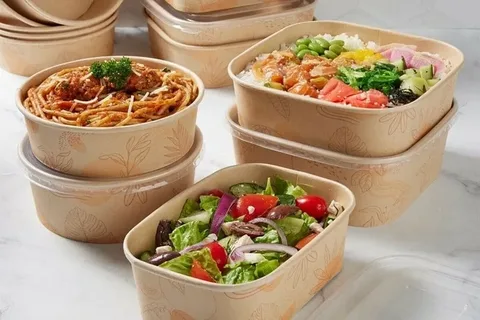
In a world where eco-consciousness is more than just a trend, sustainable food packaging emerges as a crucial player in the journey towards a greener planet. Australia, with its rich and diverse ecosystem, has a unique opportunity to lead by example in embracing eco-friendly practices. But what does sustainable food packaging actually mean for Australians, and why should it matter to them?
Why Sustainable Food Packaging Matters
Imagine walking through the vibrant markets of Melbourne, marvelling at the array of fresh produce and local delicacies. Now picture this: each item you purchase is wrapped in packaging that doesn’t contribute to the growing piles of waste in our landfills. Sustainable food packaging is more than just an environmental choice—it’s a commitment to preserving the beauty and health of Australia’s landscapes for future generations.
By choosing sustainable options, Australians can significantly reduce their carbon footprint. Whether it’s biodegradable materials or reusable containers, these alternatives help decrease the reliance on plastics which, as we know, take centuries to decompose.
Key Features of Sustainable Food Packaging
1. Biodegradable and Compostable Materials
One of the most effective ways to ensure packaging is environmentally friendly is to use materials that naturally break down. Biodegradable and compostable options, such as those made from corn starch or sugarcane, offer a practical solution. These materials decompose more rapidly than traditional plastics, returning to the earth without leaving harmful traces.
2. Recyclability and Reusability
Recycling isn’t just about tossing items into the yellow bin. It’s about creating a cycle where materials are continually repurposed. Packaging made from recycled materials not only supports this cycle but also reduces the demand for new resources. Moreover, opting for reusable packaging, like glass jars or metal tins, can substantially cut down waste.
3. Minimalist Design
Less is more when it comes to sustainable packaging. By reducing the amount of material used, minimalist designs help lower production costs and environmental impact. Consumers in Australia are increasingly favouring brands that adopt this approach, valuing simplicity and efficiency over excess.
Impact on Local Communities
The benefits of sustainable food packaging extend beyond environmental gains. For local communities across Australia, these practices can stimulate economic growth. By supporting local producers and businesses that prioritise eco-friendly packaging, consumers can drive demand for innovative solutions that keep jobs within the community.
Furthermore, educational initiatives on sustainable practices foster a culture of responsibility and innovation. Schools and community groups can play a pivotal role in spreading awareness about the importance of reducing waste and making informed choices.
Challenges and Opportunities
Transitioning to sustainable food packaging isn’t without its hurdles. Cost is often a significant barrier for small businesses. However, as demand grows, economies of scale can make these options more affordable. Support from local governments through incentives and subsidies can further ease this transition, encouraging more businesses to adopt green practices.
Innovation also presents exciting opportunities. Australian entrepreneurs are at the forefront of developing new materials and technologies that could revolutionise the industry. From seaweed-based packaging to edible wraps, the future is brimming with potential.
Bottom-line
Sustainable food packaging is not just an option—it’s a responsibility. As Australia continues to face the challenges of climate change, every small step counts. By embracing sustainable practices, Australians can lead the way in preserving their environment while supporting local economies. It’s about making choices today that ensure a better tomorrow.
FAQs
1. What materials are commonly used in sustainable food packaging in Australia?
In Australia, sustainable food packaging often includes materials like biodegradable plastics, recycled paper, and compostable plant-based options such as corn starch and sugarcane.
2. How can consumers support sustainable packaging?
Consumers can support sustainable packaging by choosing products with eco-friendly labels, participating in recycling programmes, and encouraging businesses to adopt greener packaging solutions.
3. Are there any local initiatives promoting sustainable food packaging?
Yes, many local councils and environmental groups in Australia are actively promoting sustainable packaging through educational campaigns and support for businesses that implement eco-friendly practices.