
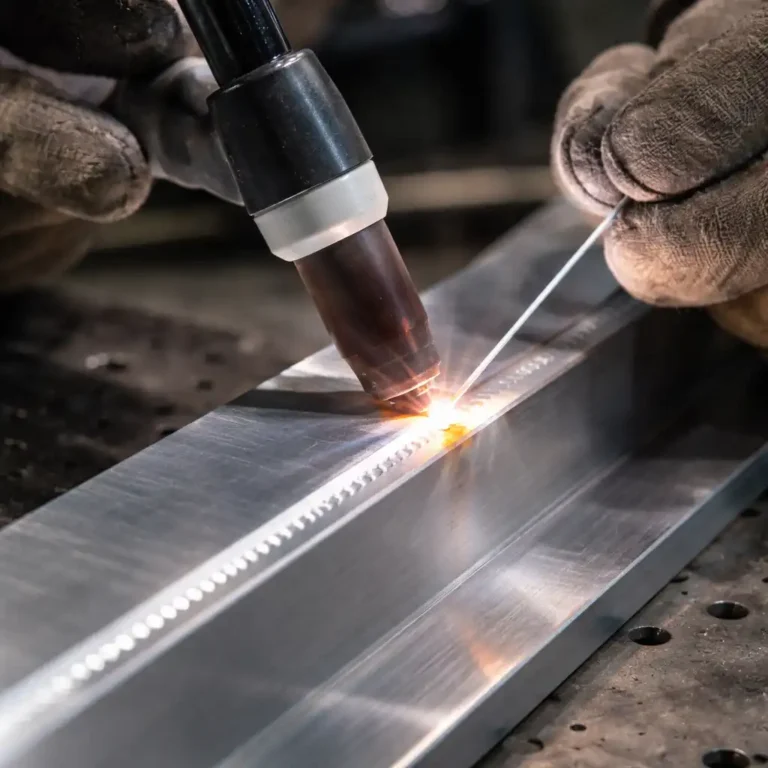
Expert Aluminium Welding Services: Enhancing Durability And Design In Metal Fabrication
Aluminium has risen to prominence in metal fabrication thanks to its lightweight, corrosion-resistant properties. Its applications are diverse, ranging from automotive and aerospace industries to construction and custom design projects. However, working with aluminium presents unique challenges, particularly in welding, which requires specialised skills and expertise. Aluminium welding services are essential for ensuring that aluminium components are not only strong and durable but also visually appealing.
The Challenges of Aluminium Welding
Welding aluminium is more complex compared to welding other metals like steel. One of the primary challenges is aluminium’s lower melting point, which is around 660°C, compared to steel’s higher melting point. This lower melting point means that aluminium can easily become overheated, leading to warping or distortion if not managed properly. Additionally, aluminium has high thermal conductivity, which means it disperses heat quickly, making it more difficult to maintain the correct welding temperature.
Moreover, aluminium tends to form an oxide layer on its surface that needs to be removed before welding. This oxide layer has a melting point significantly higher than that of the aluminium itself, which can create difficulties in achieving a clean weld. Aluminium welding services employ skilled welders who are trained to handle these challenges effectively. They use techniques and equipment specifically designed to manage the unique properties of aluminium, ensuring that the welds are clean, strong, and precise.
Applications of Aluminium Welding
The versatility of aluminium makes it suitable for a range of applications across various industries. In the automotive sector, aluminium is often used to manufacture parts that need to be lightweight yet strong, such as engine components, chassis parts, and body panels. The reduced weight of aluminium contributes to fuel efficiency and performance in vehicles.
In the aerospace industry, aluminium’s lightweight nature is crucial for reducing the overall weight of aircraft, which can lead to significant fuel savings and improved performance. Aluminium welding services play a vital role in creating and repairing aircraft components, ensuring they meet the stringent safety and performance standards of the industry.
In construction, aluminium is frequently used for window frames, roofing systems, and structural elements. Its resistance to corrosion and aesthetic appeal make it a popular choice for both residential and commercial buildings. Aluminium welding ensures that these components are not only functional but also maintain a high standard of appearance and durability.
Advanced Welding Techniques
To overcome the challenges of aluminium welding and achieve the best results, aluminium welding services employ advanced techniques such as TIG (Tungsten Inert Gas) welding and MIG (Metal Inert Gas) welding.
TIG welding is particularly valued for its precision and control. It uses a tungsten electrode to produce the weld, with an inert gas protecting the weld area from contamination. This technique is ideal for thin aluminium sections and produces high-quality welds with excellent finish and strength. MIG welding, on the other hand, involves feeding a continuous wire electrode through a welding gun, which melts and joins the aluminium pieces. This method is well-suited for thicker sections and provides a faster welding process compared to TIG.
Both techniques offer advantages depending on the specific requirements of the project. TIG welding is often preferred for detailed work where aesthetics and strength are critical, while MIG welding is chosen for its efficiency in larger-scale applications.
Quality Assurance in Aluminium Welding
Quality assurance is paramount in aluminium welding services. Given the specific challenges associated with welding aluminium, thorough testing is conducted to ensure that the welds meet required standards. This includes evaluating the welds for strength, durability, and resistance to corrosion.
Rigorous quality control measures ensure that each weld adheres to industry standards and performs reliably under various conditions. This testing process is crucial to ensure that the final product meets both functional and aesthetic expectations.
Conclusion
Aluminium welding services are crucial for enhancing the durability and design integrity of aluminium components across multiple industries. By leveraging advanced techniques and the expertise of skilled professionals, these services deliver precision and quality that meet the demands of modern metal fabrication. Whether for industrial applications or custom design projects, expert aluminium welding ensures that components are both reliable and visually appealing, contributing significantly to the success of diverse applications.