
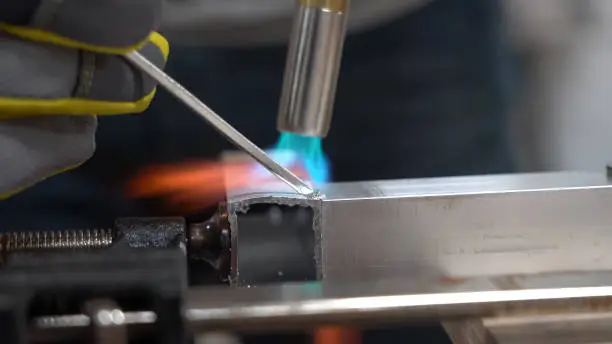
Expert Aluminium Welding Services: Strength, Precision, And Durability In Every Join
In modern construction and manufacturing, aluminium is one of the most versatile materials used for its strength, light weight, and corrosion resistance. Whether it’s for architectural structures, marine components, or automotive applications, professional aluminium welding services are essential to ensure precision and durability. Skilled welders play a vital role in shaping aluminium into structures that not only perform well but also stand the test of time.
Understanding Aluminium and Its Welding Challenges
Why Aluminium Requires Specialised Techniques
Unlike steel, aluminium is softer and more sensitive to temperature changes. It has a lower melting point, which means it requires controlled heat and expert handling during the welding process. Professionals use specific welding techniques—such as TIG (Tungsten Inert Gas) and MIG (Metal Inert Gas)—to create clean, strong, and visually appealing welds without distorting the metal.
Applications Across Multiple Industries
Aluminium is a core material across a wide range of industries. In construction, it is used in façades, window frames, and support beams. In transport and marine industries, its light weight makes it ideal for vehicles, boats, and aircraft components. Skilled welding ensures that these structures maintain their integrity under pressure and environmental exposure.
Techniques Used in Aluminium Welding
TIG Welding: Precision and Clean Finish
TIG welding is widely preferred for aluminium because it allows for detailed control and minimal contamination. It’s ideal for thin sheets and applications requiring fine, smooth weld seams—such as architectural elements or decorative metalwork.
MIG Welding: Strength and Speed Combined
MIG welding offers faster results and is suited for thicker aluminium sections. It’s commonly used in construction and manufacturing, where strength and efficiency are crucial. This method ensures consistent weld quality, even in high-volume production settings.
Benefits of Professional Aluminium Welding
Enhanced Structural Integrity
Professional welding ensures that joints are as strong as the surrounding material, maintaining the full load-bearing capacity of aluminium structures. The use of advanced equipment and skilled workmanship reduces the risk of cracks, porosity, or deformation.
Cost and Time Efficiency
Professional services optimise productivity through efficient setup and high-quality outcomes. Businesses save time and reduce material waste, ensuring better value for every project. Precision welding also reduces maintenance needs, offering long-term savings.
Aesthetic and Functional Quality
For industries such as architecture or custom fabrication, the appearance of welds is just as important as their strength. Expert welders achieve smooth, uniform joins that enhance the overall visual appeal of aluminium components.
Choosing the Right Aluminium Welding Specialist
Skills, Certification, and Experience
Not all welders possess the expertise needed for aluminium. Choosing certified professionals ensures adherence to Australian standards and the use of correct welding parameters. Skilled technicians understand the unique properties of aluminium and can deliver results tailored to specific project requirements.
Equipment and Safety Compliance
Reputable welding specialists use advanced, calibrated equipment and maintain high safety standards. Proper ventilation, protective gear, and compliance with occupational health guidelines are non-negotiable aspects of any professional welding service.
Future Trends in Aluminium Welding
Technological Advancements and Automation
Automation and robotics are revolutionising aluminium welding by increasing precision and reducing error rates. Robotic welders are now capable of handling intricate tasks with consistent quality, especially in manufacturing environments.
Sustainable Welding Practices
With sustainability at the forefront, many welding operations are adopting eco-friendly methods. Efficient gas usage, recyclable aluminium materials, and energy-conscious processes contribute to reducing environmental impact while maintaining high production standards.
Conclusion
The demand for aluminium welding services continues to grow as industries seek reliable, durable, and aesthetically pleasing results. Whether for structural applications, transportation, or architectural projects, professional welders ensure aluminium components meet both strength and design expectations. By choosing experienced specialists and modern techniques, businesses can achieve superior weld quality that supports long-lasting, high-performance results.