
In an era where environmental consciousness is no longer a choice but a necessity, sustainable food packaging is at the forefront of Australia’s eco-friendly revolution. As our nation grapples with climate change impacts, the way we wrap up our snacks and meals is becoming a vital part of the solution. Let’s delve into why sustainable food packaging matters and how it’s shaping a greener future for Aussies.
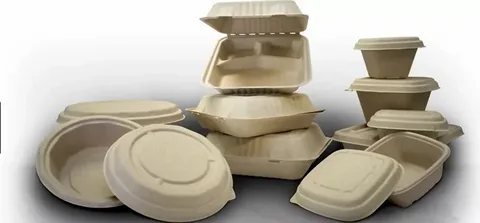
Cutting Down on Plastic Waste
- Plastic pollution is a significant problem for Australia, with tonnes of plastic ending up in our oceans and landfills each year.
- Sustainable food packaging offers a practical solution by reducing reliance on single-use plastics.
- Imagine grabbing your morning coffee in a biodegradable cup or enjoying a takeaway in a compostable container.
- These small changes can collectively lead to a massive reduction in waste, helping keep our stunning beaches and landscapes pristine.
Embracing Renewable Materials
- One of the most exciting aspects of sustainable food packaging is the shift towards renewable materials.
- Companies are increasingly using resources like bamboo, sugarcane, and even seaweed to create packaging that’s both functional and eco-friendly.
- These materials are not only biodegradable but also often sourced sustainably, ensuring that the cycle from production to disposal is environmentally conscientious. It’s a win-win for businesses and consumers alike.
Supporting the Local Economy
- Sustainable food packaging isn’t just about saving the planet; it’s also about boosting the Australian economy.
- Many local businesses are leading the charge in developing innovative, earth-friendly packaging solutions.
- By supporting these companies, we’re not only investing in a healthier planet but also in our local communities. It’s heartening to see homegrown enterprises setting global standards in sustainability.
Enhancing Consumer Awareness
- The rise of sustainable food packaging has also sparked a wave of consumer education.
- Shoppers are becoming more aware of the environmental impact of their purchases, leading to more informed and responsible choices.
- This shift in mindset is crucial in driving demand for sustainable options, encouraging more companies to adopt green practices.
- It’s a cycle of positive change that starts with a simple decision at the checkout.
Overcoming Challenges and Myths
- Despite its growing popularity, there are still misconceptions about sustainable food packaging.
- Some fear it might be less durable or more expensive than traditional options. However, ongoing innovations are proving these myths wrong.
- Many sustainable packaging options are just as sturdy and affordable, if not more so, than their plastic counterparts.
- As technology advances, these products will only become more accessible and mainstream.
A Step Towards a Sustainable Future
- Sustainable food packaging is more than a trend; it’s a crucial step towards a sustainable future.
- It represents a shift in how we think about consumption and waste, aligning our daily habits with the planet’s needs.
- By choosing eco-friendly packaging, Australians can make a tangible difference in the fight against climate change, ensuring a healthier environment for generations to come.
Conclusion
In a world where every choice counts, sustainable food packaging is not just a necessity but an opportunity to embrace a more eco-friendly lifestyle. By supporting these initiatives, Australians are setting a powerful example of commitment to environmental stewardship. Whether it’s a takeaway coffee or a grocery haul, the choice of packaging can make a world of difference.
FAQs on Sustainable Food Packaging in Australia
1.What makes food packaging ‘sustainable’?
Sustainable food packaging is made from materials that are renewable, biodegradable, or recyclable, and that have a minimal environmental impact during production and disposal.
2.Are there any Australian companies leading in sustainable packaging innovation?
Yes, several Australian companies are pioneering sustainable packaging solutions, focusing on biodegradable materials and innovative designs that reduce environmental impact.
3.How can I identify sustainable packaging when shopping?
Look for certifications such as FSC (Forest Stewardship Council) or labels indicating that the packaging is compostable, recyclable, or made from renewable resources.