

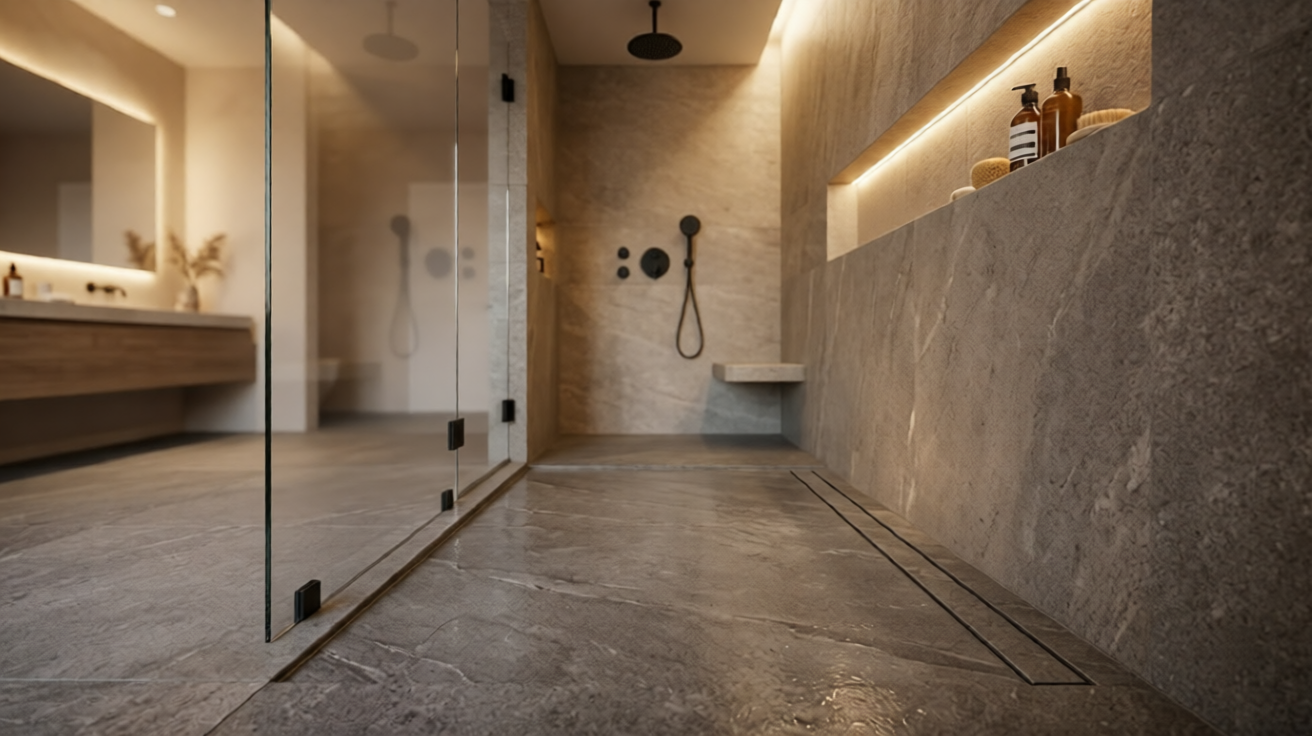
Designing a modern bathroom involves more than selecting attractive tiles, tapware, and fixtures. Proper drainage is equally important for maintaining a clean, comfortable, and functional space. A well-planned shower drainage system helps remove excess water, reduce water pooling, and protect surrounding surfaces from moisture-related problems.
One popular option in contemporary bathroom designs is a shower grate tile insert. This drainage solution combines practical water management with a minimalist appearance, allowing the surrounding floor tiles to blend seamlessly with the drainage cover. It is particularly suitable for homeowners who prefer a modern, streamlined bathroom without compromising everyday functionality.
Understanding how this drainage option works, its benefits, and the factors to consider before installation can help homeowners, renovators, and builders make better decisions.
What Is a Shower Grate Tile Insert?
A shower grate tile insert is a type of shower drain cover designed to accommodate a small piece of the same floor tile used in the surrounding shower area. Instead of having a conventional metal or visible drainage pattern, the cover features a recessed section where a matching tile can be installed.
This creates a more continuous appearance across the shower floor while allowing water to enter the drainage channel through the surrounding openings.
These products are commonly used with linear shower drains and are available in different lengths, widths, materials, and configurations. Depending on the design, they can be installed in walk-in showers, contemporary bathrooms, and renovation projects where a clean finish is important.
What Are the Benefits of a Tile Insert Shower Drain?
Choosing the right drainage system can improve both the appearance and functionality of a bathroom. Here are some important advantages.
Creates a Seamless Bathroom Appearance
One of the main reasons homeowners choose this drainage design is its ability to blend with the surrounding flooring.
The recessed cover accommodates a matching tile, helping the drainage area become less noticeable. This creates a more consistent floor design without a prominent metal grille interrupting the tile pattern.
It works particularly well in contemporary bathrooms, minimalist interiors, and walk-in showers.
Supports Efficient Water Drainage
An effective shower drainage system should remove water quickly and minimise standing water.
Tile insert covers are designed with openings that allow water to flow into the drain beneath the surface. When paired with a correctly sized drainage channel and properly sloped flooring, they support effective water removal.
The overall drainage performance depends on the drain outlet size, plumbing configuration, installation quality, and expected water flow.
Complements Different Bathroom Tile Designs
Bathrooms feature different tile colours, textures, patterns, and finishes. A conventional drain cover may stand out against certain flooring styles.
A recessed tile insert provides more flexibility because the visible surface can match the surrounding tiles. Whether the bathroom uses natural stone, porcelain, ceramic, or textured tiles, the drainage cover can be integrated into the overall design.
Suitable for Modern Walk-In Showers
Walk-in showers are popular because they create an open and spacious bathroom layout.
A discreet linear drainage system can complement this design by reducing the visual interruption caused by traditional drainage covers. It also supports the installation of larger floor tiles, depending on the drain position and shower layout.
However, suitable waterproofing and floor gradients remain essential for preventing water from escaping the shower area.
Easy Access for Cleaning
Although the tiled surface provides a discreet appearance, the drain cover should remain accessible for routine maintenance.
Most removable tile insert designs allow users to lift the cover and access the drainage channel. This makes it easier to remove accumulated hair, soap residue, and other debris.
Regular cleaning helps maintain water flow and reduces the possibility of unpleasant odours or blockages.
Where Can Tile Insert Shower Drains Be Used?
These drainage products are suitable for several bathroom layouts and renovation applications.
Walk-In Showers
Walk-in showers benefit from minimalist drainage solutions that complement open floor designs. A linear drain with a recessed tile cover can help create a consistent appearance across the shower area.
Luxury Residential Bathrooms
Modern residential bathrooms often feature large-format tiles, frameless shower screens, and concealed fixtures. Tile insert drainage covers complement these design elements by maintaining a coordinated floor finish.
Bathroom Renovations
Homeowners upgrading older bathrooms may consider this option when replacing existing drainage systems. However, the drain position, floor height, plumbing access, and waterproofing requirements should be checked before installation.
Hotel and Commercial Bathrooms
Hotels and other accommodation facilities often focus on combining appearance with practical maintenance. Suitable drainage systems can support attractive bathroom designs while allowing access for cleaning and inspections.
How Do You Choose the Right Shower Grate Tile Insert?
Selecting the right product requires attention to several important details.
Consider the Drainage Size
Check the required drain length, width, outlet position, and overall dimensions before purchasing. The selected system should suit the shower layout and expected water flow.
Check the Material Quality
Stainless steel is commonly used in quality shower drainage systems because of its strength and corrosion resistance.
Grade 304 is suitable for many general bathroom applications, while Grade 316 offers additional resistance to chlorides and more demanding environments. Always check the manufacturer’s material specifications.
Match the Tile Thickness
The recessed section must accommodate the thickness of the selected floor tile and any required adhesive. If the insert is too shallow or too deep, the finished surface may not align properly with the surrounding flooring.
Confirm the permitted tile thickness before installation.
Evaluate Cleaning Requirements
Choose a removable cover that provides convenient access to the drainage channel. This is particularly important for households where showers are used frequently.
A design that allows straightforward removal and cleaning can make ongoing maintenance easier.
Consider Installation Compatibility
Not every drainage system suits every shower floor. Check whether the product is compatible with the waterproofing system, floor construction, plumbing outlet, and installation height.
Professional installation is recommended to ensure correct positioning, drainage gradients, and waterproofing.
How Is a Tile Insert Shower Drain Installed?
Installation requires careful planning because drainage, waterproofing, and tile alignment must work together.
The general installation process includes:
- Preparing the shower floor and confirming the drainage location.
- Installing the drainage channel and connecting it to the waste outlet.
- Creating the required floor gradient towards the drain.
- Applying the appropriate waterproofing system according to installation specifications.
- Installing the surrounding floor tiles while maintaining the correct drainage slope.
- Cutting a suitable tile piece and fitting it into the recessed drain cover.
- Checking the finished alignment and testing water flow.
All waterproofing work should follow the relevant Australian building requirements and the manufacturer’s installation instructions. Poor installation can lead to leaks, water pooling, and costly repairs.
How Do You Maintain a Tile Insert Shower Drain?
Regular maintenance helps preserve drainage performance and bathroom hygiene.
Consider following these simple practices:
- Remove hair and soap residue from the drainage channel regularly.
- Lift the removable cover carefully when cleaning.
- Use mild cleaning products suitable for the tile and drain material.
- Avoid harsh chemicals that may damage the surface or surrounding finishes.
- Inspect the drainage area for visible damage or loose components.
- Check for slow drainage, unpleasant smells, or standing water.
- Arrange professional inspection if leaks or persistent drainage problems occur.
Keeping the drainage channel clear helps water flow properly and reduces the risk of blockages.
Frequently Asked Questions
What is the difference between a standard shower grate and a tile insert drain?
A standard shower grate generally has an exposed metal surface with visible openings. A tile insert drain features a recessed section that accommodates a matching floor tile, creating a more integrated appearance.
Are tile insert shower drains suitable for small bathrooms?
Yes. They can be installed in small bathrooms when the drainage dimensions, floor layout, and plumbing configuration are suitable. Their minimalist appearance can also complement compact bathroom designs.
Can any bathroom tile be used in a tile insert drain?
Not every tile is suitable. The tile must fit within the recessed section and meet the manufacturer’s thickness and weight requirements. The selected tile should also be appropriate for wet-area flooring.
Do tile insert drains require regular cleaning?
Yes. Hair, soap residue, and debris can accumulate inside the drainage channel. Regular cleaning helps prevent blockages and maintain effective water flow.
Are tile insert shower drains waterproof?
The drain cover itself does not make the shower waterproof. Proper waterproofing must be installed beneath the floor tiles and correctly connected to the drainage system to prevent water penetration.
Conclusion
A well-designed shower drainage system contributes to bathroom hygiene, functionality, and overall appearance. Choosing a suitable drainage solution helps manage excess water while complementing the surrounding flooring and bathroom fixtures.
A shower grate tile insert is a practical option for homeowners, builders, and renovators who prefer a modern, seamless finish. By considering material quality, tile thickness, drainage capacity, cleaning access, and installation requirements, it becomes easier to select a system that suits the bathroom layout.