
How Does Shipping Container Transport Shape Modern Logistics In Australia?
When thinking about how products move across Australia, shipping container transport plays a massive role in connecting industries, suppliers, and consumers. From bustling ports to remote regional towns, container logistics ensure that goods arrive safely and efficiently. But how does this process really work, and why is it so vital for Australian trade and business operations? Let’s explore.
Why Has Container Transport Become So Essential?
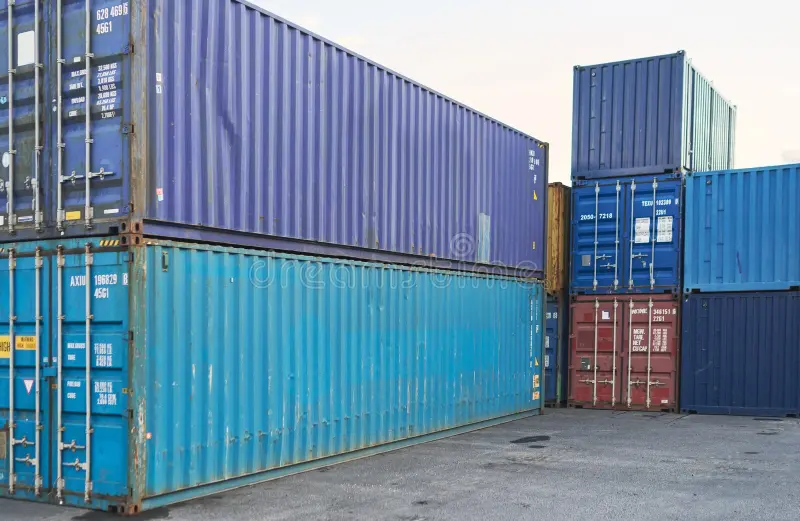
Australia’s vast geography makes the movement of goods challenging. Shipping containers provide a durable, secure, and standardised solution for moving items via trucks, trains, and ships. Their stackable design maximises space while reducing handling costs, helping businesses streamline their logistics without risking product damage.
How Does the Process Work?
Shipping container transport typically begins at the manufacturer’s facility, where goods are packed and sealed within containers. These are then loaded onto trucks or rail for delivery to major ports like Sydney, Melbourne, or Brisbane. Once at the port, containers are shifted onto vessels bound for domestic or international destinations. The process is carefully coordinated to maintain timelines and cost efficiency.
What Factors Influence Transport Costs?
Several variables affect container transport pricing. Distance remains the biggest factor, but fuel prices, container size, cargo type, and handling requirements also play a role. Time-sensitive deliveries might cost more, while backload services offer savings. For businesses, working with experienced transport providers helps balance cost with reliability.
How Is Technology Improving the Industry?
Digital innovation is reshaping logistics management. GPS tracking systems, online booking platforms, and automated scheduling tools are making shipping container transport more transparent and efficient. Operators can now monitor real-time container movements, predict delivery times, and respond quickly to unexpected delays. This shift toward smarter logistics enhances customer confidence and operational efficiency.
What About Environmental Concerns?
Sustainability has become a major focus in transport and logistics. The industry is adopting cleaner fuels, energy-efficient vehicles, and optimised routing to reduce emissions. Some companies are also using hybrid or electric trucks for short-distance transport. Recycling and reusing old shipping containers as housing or storage units further contribute to an eco-friendly approach.
How Do Regulations Impact Operations?
Transporting containers across states involves compliance with strict safety and weight regulations. Australian authorities monitor loading limits, securing methods, and vehicle maintenance to prevent accidents and damage. Adhering to these rules not only protects cargo but also ensures the safety of drivers and other road users. Reliable operators maintain detailed documentation and comply with national transport standards.
Why Choose Professional Container Transport Services?
Partnering with experienced logistics providers ensures smoother coordination between ports, warehouses, and customers. Professionals handle container tracking, customs clearance, and documentation efficiently. Whether moving imported goods from the port or delivering exports to global markets, expert transporters bring experience and equipment to handle complex logistics seamlessly.
Is the Future of Container Transport Changing?
Absolutely. The rise of e-commerce, trade growth, and infrastructure development are reshaping how containers move across the country. Expect to see more automation, AI-based logistics planning, and eco-friendly transport options in coming years. These innovations promise faster deliveries, fewer disruptions, and improved sustainability.
Final Thoughts
In a country as vast and trade-dependent as Australia, shipping container transport remains the backbone of logistics and supply chain operations. Its reliability, scalability, and adaptability make it indispensable for moving everything from construction materials to consumer goods. As technology and sustainability continue to evolve, the industry is poised for even greater efficiency, supporting both economic growth and environmental responsibility.