
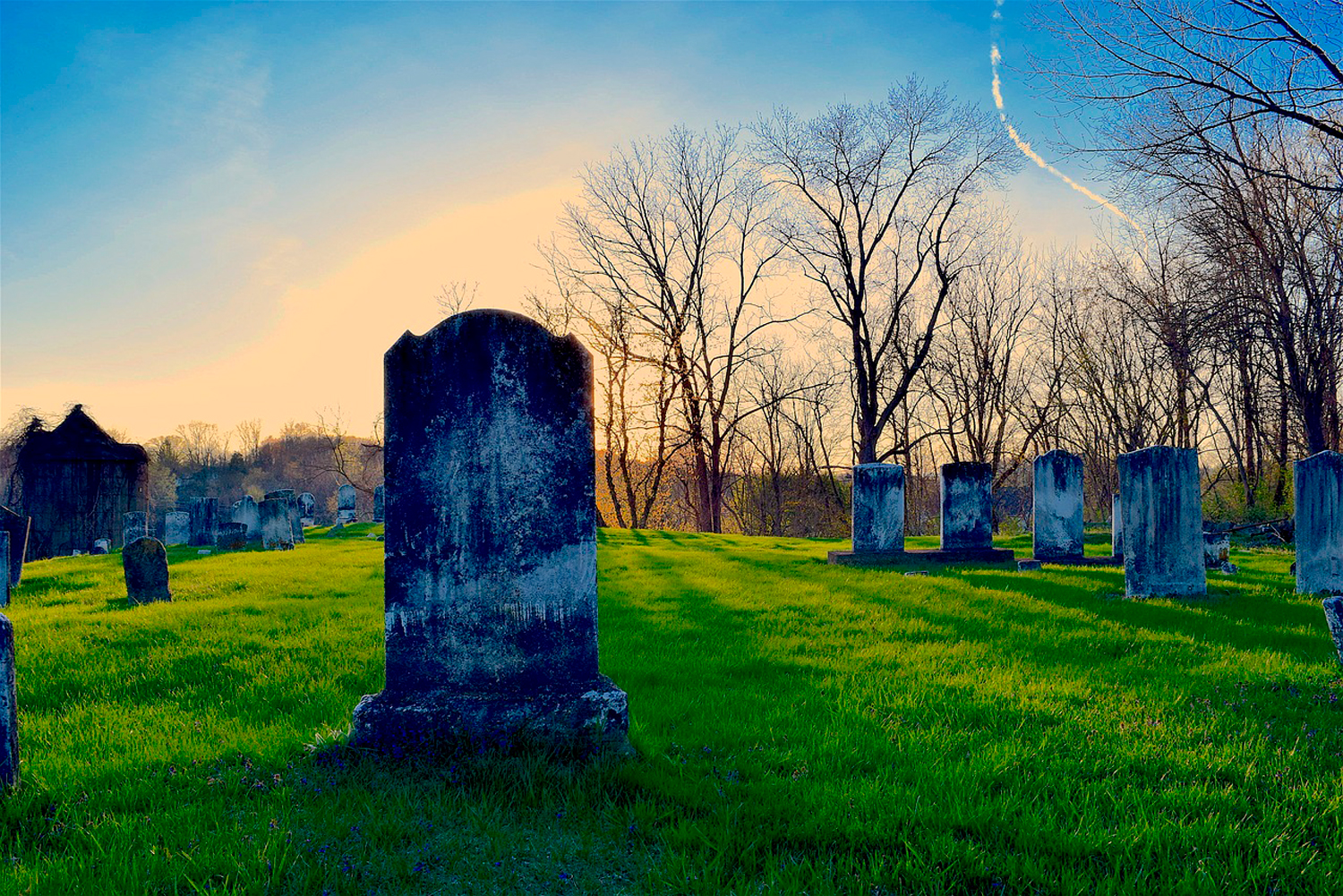
Cemeteries in Castle Hill offers a fascinating glimpse into how modern monument design and cemetery architecture are evolving. It blends tradition with innovation to create spaces that are not only practical but deeply meaningful. This blog explores the key design trends shaping cemeteries today, helping readers understand how these sacred spaces are crafted to support remembrance, reflection, and cultural diversity.
What Are the Current Trends in Monument and Cemetery Design?
Today’s cemeteries are inclusive, celebrating varied cultures and religions.
- Designers establish non-denominational environments in which people share common experiences of mourning and celebration.
- Architecture usually juxtaposes light, ceremonial aspects with functional structures.
- Such as, floating roof canopies might be combined with solid columbarium walls in order to achieve a balance between beauty and functionality.
- Light from the outdoors is used sparingly in order to provide a peaceful, contemplative environment without distraction.
- The design facilitates emotional experience by quietly leading visitors through areas of bereavement and remembrance.
How Does Landscape Design Enrich Monument Spaces?
Landscaping enhances monuments by adding natural beauty and calmness.
- Local plants and trees, like eucalyptus, integrate the cemetery into its local landscape.
- Water elements such as fountains or pools introduce soothing, sensory experiences.
- Paths and seating spaces invite visitors to stop and think in comfort.
- Sculptures and symbolic statues add richness and emotional depth to the narrative.
- Overall, landscape design makes cemeteries warm, contemplative spaces.
Why Circular and Non-Traditional Designs Are Becoming So Popular?
- Classic grid layouts maximise burial efficiency but are often impersonal.
- Circular and curved shapes form intimate, human-sized spaces that invite congregating.
- Ancient burial rituals and pantheistic symbolism inspire these forms.
- Circular designs promote unity and inclusion, transcending denominational boundaries.
- Although less space-intensive, these designs value visitor experience and emotional resonance.
- This change is part of a larger movement toward integrated cemetery design, which balances functionality and emotion.
How Do Monument Designs Tell Personal and Cultural Stories?
Monuments are personal statements about the deceased’s life, values, and legacy.
- Materials vary from elegant marble to functional concrete, balancing craftsmanship and cost.
- Symbolic elements such as religious symbols, animals, or abstract shapes contribute layers of meaning.
- These design decisions convey messages such as protection, love, and eternity.
- The range of monument types adds richness to the cemetery environment with history and memory.
- Today, this tradition continues as a way for families to memorialise their loved ones in a personalised manner.
What Is the Future of Cemetery and Monument Design?
Urban space limitations challenge designers to think creatively with ecological and social factors.
- Landscape urbanism brings cemeteries together with their neighbouring communities and landscapes.
- Cemeteries are being made dynamic, multifunctional sites instead of merely burial places.
- Accessibility and inclusion continue to be priorities, facilitating diverse rituals and individual expressions.
- Sensitive design allows cemeteries to be relevant, comforting, and valued over time.
- Projects such as Castle Hill Cemetery are illustrative of this future-oriented practice.
Conclusion
Castle Hill Cemetery is an example of how monument and cemetery design are adapting to address contemporary needs. Through the integration of architectural beauty, considerate landscaping, and cultural sensitivity, these areas provide solace and a sense of belonging to those who visit. Knowledge of these trends makes us realize the art in the stone and the deep significance cemeteries hold in our society today.