

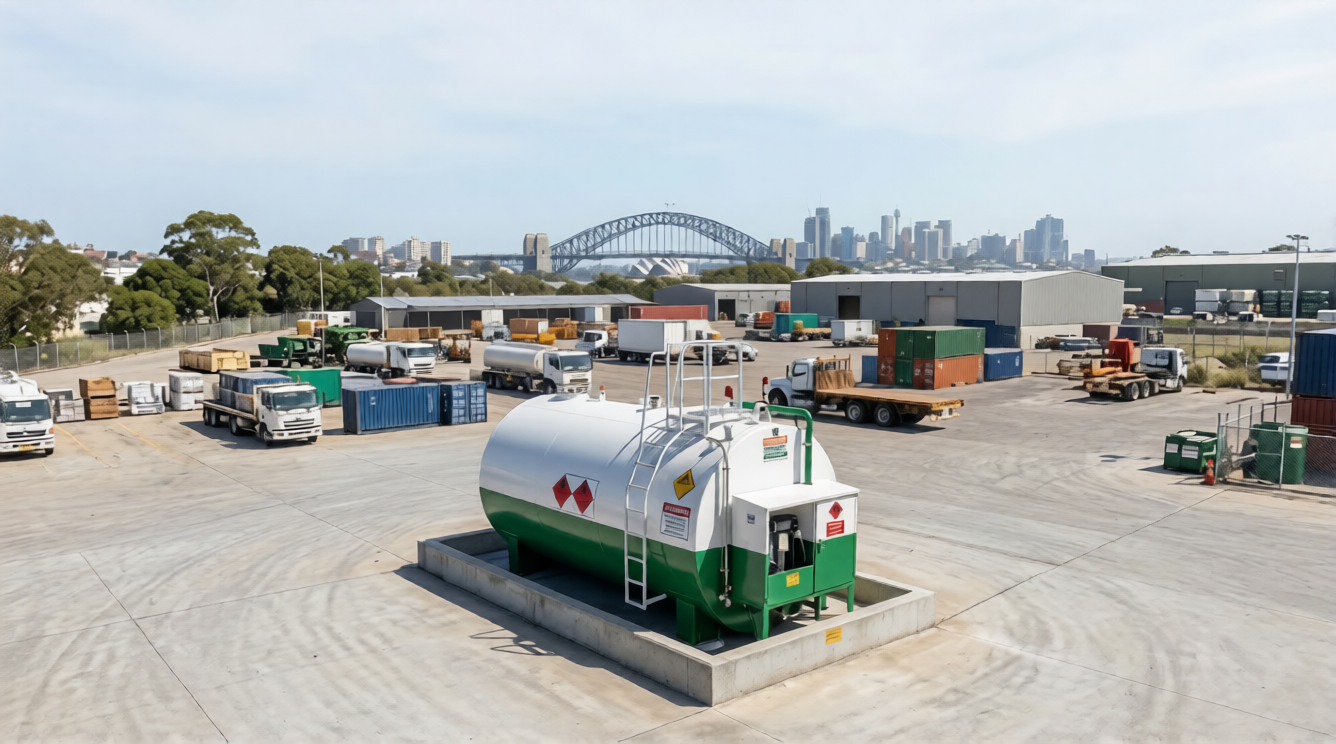
Businesses that store diesel fuel on-site need a reliable storage solution that supports daily operations while helping manage safety and environmental risks. Choosing the right tank involves more than checking its capacity. Factors such as storage requirements, available space, fuel usage, construction quality and maintenance needs all play an important role. For companies operating across transport, construction, agriculture and industrial sectors, selecting suitable Self bunded Diesel Fuel Tanks in Sydney can help make fuel storage more organised and practical.
What Are Self-Bunded Diesel Fuel Tanks?
Self-bunded diesel fuel tanks are designed with an inner tank that holds the fuel and an outer protective layer that acts as secondary containment. This double-wall construction helps contain leaks from the inner tank and reduces the risk of diesel escaping into the surrounding environment.
Unlike traditional single-wall tanks, self-bunded models generally do not require a separate bunding structure when they meet the relevant requirements for the installation. This can make them a practical option for businesses that need secure on-site fuel storage.
They are commonly used at construction sites, transport depots, workshops, farms, mining operations and industrial facilities where access to diesel is essential.
Why Do Businesses Need On-Site Diesel Storage?
Having diesel available at the workplace can make daily operations easier, particularly for businesses that operate heavy vehicles, machinery or equipment.
Some key advantages include:
Better Fuel Availability
On-site storage allows authorised employees to access fuel when required. This can be especially useful for businesses operating in locations where fuel stations are not close by or where vehicles need regular refuelling.
Improved Operational Efficiency
Keeping diesel at the workplace can reduce unnecessary trips to external fuel stations. Drivers and machinery operators may spend less time travelling for fuel and more time completing their scheduled tasks.
Easier Fuel Management
A dedicated storage system can help businesses monitor fuel consumption, organise refuelling schedules and maintain better records. These practices can support budgeting and help identify unusual changes in fuel usage.
Suitable for Different Industries
From construction machinery to commercial transport fleets, many industries depend on a consistent diesel supply. A suitable storage tank can support different operational requirements when selected and installed correctly.
How to Choose the Right Diesel Fuel Tank?
Selecting a tank requires careful consideration of the business’s current and future needs. The following factors can help guide the decision.
Determine the Required Storage Capacity
Start by reviewing how much diesel the business uses each day or week. A small workshop may require a different storage capacity compared with a transport company or large construction site.
Consider the number of vehicles and machines being refuelled, average fuel consumption and delivery frequency. Choosing a suitable capacity helps avoid unnecessary storage expenses while ensuring sufficient fuel is available.
Check the Tank Construction and Materials
Tank construction plays an important role in durability and safe operation. Look for suitable materials, strong fabrication and a design intended for diesel storage.
The outer containment section should also be appropriate for the tank’s intended application. Product specifications and compliance documentation should be checked before purchasing.
Consider Available Installation Space
Measure the proposed installation area before selecting a tank. Consider the tank’s dimensions, access for fuel delivery vehicles, dispensing arrangements and space required for inspection and maintenance.
The installation location should also be assessed for surface conditions, drainage, vehicle movement and potential exposure to damage.
Review Fuel Dispensing Features
Depending on operational needs, tanks may be available with dispensing equipment such as pumps, hoses, meters and automatic shut-off nozzles.
These features can make refuelling more convenient and help businesses monitor fuel usage. Before choosing additional equipment, check that it is compatible with the tank and suitable for the intended application.
What Safety and Compliance Requirements Should Be Considered?
Diesel storage requires appropriate safety planning. Businesses should check the applicable Australian Standards, local regulations, workplace safety obligations and environmental requirements before installing a tank.
Important considerations include:
- Confirming that the tank is suitable for diesel storage and its intended capacity.
- Checking product certification and relevant compliance documentation.
- Providing suitable access for inspections, deliveries and maintenance.
- Using appropriate signage and restricting unauthorised access.
- Keeping ignition sources and other potential hazards under control.
- Maintaining suitable spill response equipment and procedures.
- Arranging installation by qualified professionals where required.
Requirements can vary depending on the tank design, storage volume, site conditions and intended use. Businesses should seek advice from qualified suppliers or relevant authorities rather than assuming that every tank has the same installation requirements.
How Can Businesses Maintain Diesel Fuel Tanks?
Regular inspection and maintenance help keep a storage system in suitable working condition. A maintenance routine should follow the manufacturer’s recommendations and applicable safety requirements.
Check the tank’s external surfaces for corrosion, damage or signs of leakage. Inspect pumps, hoses, valves, fittings and dispensing equipment for wear or faults. The bunded section should also be checked for signs of accumulated liquid or contamination.
Fuel quality is another important consideration. Water and other contaminants can affect diesel-powered equipment. Businesses should follow suitable fuel handling and storage practices and arrange professional cleaning or servicing when necessary.
Keeping inspection and maintenance records can also help identify recurring problems and demonstrate that the storage system is being managed responsibly.
Why Is the Right Supplier Important?
A suitable supplier can help businesses compare tank capacities, construction options and dispensing features based on their operational requirements. They should also be able to provide clear product information, specifications and relevant compliance documentation.
Before making a purchase, ask about delivery arrangements, installation requirements, warranty conditions, maintenance recommendations and available support. Comparing these details can help businesses make an informed decision instead of choosing a tank based only on its initial price.
Businesses searching for Self bunded Diesel Fuel Tanks in Sydney should assess whether the selected product suits their site, fuel consumption and applicable storage requirements.
Conclusion
Choosing a suitable diesel storage tank involves understanding fuel demand, available space, tank construction, dispensing features and safety obligations. A well-selected system can support efficient refuelling, improve fuel management and reduce unnecessary interruptions to daily operations. Businesses should compare product specifications, verify compliance requirements and follow appropriate inspection and maintenance procedures before installing a tank. Careful planning helps ensure that the storage solution meets both current operational needs and future business requirements.