Author: dharm_anki

Car Glass Repair in Sydney

Car Glass Repair in Sydney: When to Repair and When to Replace

Driving conditions in Sydney can expose vehicles to a range of hazards, from loose gravel on motorways to sudden temperature changes and coastal air. These factors often lead to chipped, cracked, or weakened car glass. Understanding when car glass repair is sufficient and when full replacement is necessary helps maintain safety, visibility, and compliance with Australian road standards.

Common Causes of Car Glass Damage

Car glass damage typically occurs due to:

  • Flying stones and road debris
  • Sudden impact from minor accidents
  • Extreme heat causing expansion and contraction
  • Structural stress from poor installation or existing cracks

Even a small chip can quickly expand into a larger crack if left unattended. Temperature variations, particularly during hot summers, may worsen existing damage.

When Car Glass Repair Is Suitable

Repair is generally appropriate when:

  • The chip or crack is smaller than a 20-cent coin
  • The damage is not directly in the driver’s line of sight
  • The crack is not at the edge of the windscreen
  • There are no multiple cracks spreading outward

Modern repair techniques involve injecting a clear resin into the damaged area. The resin bonds with the glass, restoring structural integrity and preventing further spreading. In many cases, the repaired section becomes barely noticeable.

Repair is often quicker and more cost-effective than replacement, while still maintaining the windscreen’s strength.

When Car Glass Replacement Is Necessary

Replacement becomes necessary when:

  • The crack is longer than 3–5 centimetres
  • Damage obstructs the driver’s primary viewing area
  • The crack reaches the edge of the windscreen
  • There are multiple chips close together
  • The glass is shattered or severely compromised

Windscreens contribute significantly to vehicle structural support, especially during collisions or airbag deployment. A severely damaged windscreen cannot provide adequate protection and may fail during impact.

Side windows and rear glass typically require replacement rather than repair because they are made from tempered glass, which shatters upon impact.

Safety and Legal Considerations

Australian road safety regulations require drivers to maintain clear visibility. Any damage that interferes with the driver’s view may result in a defect notice. Prompt assessment ensures compliance and reduces safety risks.

Ignoring minor damage increases the likelihood of sudden spreading, particularly when driving on uneven roads or during temperature shifts.

Preventative Measures

To reduce the risk of damage:

  • Maintain safe distance from heavy vehicles
  • Avoid driving directly behind trucks carrying loose materials
  • Park in shaded areas during extreme heat
  • Address minor chips promptly

Routine inspections help identify early signs of weakness before they escalate into costly replacements.

FAQs

1. How long does car glass repair take?
Most minor repairs take 30 to 60 minutes, depending on the extent of the damage.

2. Is it safe to drive immediately after a repair?
In many cases, driving is possible shortly after the resin cures, usually within an hour.

3. Will a repaired crack disappear completely?
The damage often becomes less visible, but slight marks may remain depending on the severity.

4. Can all windscreen chips be repaired?
Not all chips qualify for repair. Size, location, and depth determine whether replacement is required.

5. Does insurance cover car glass repair or replacement?
Many comprehensive car insurance policies include glass coverage, but terms vary. Checking the specific policy details is recommended.

Timely action plays a key role in maintaining safety and preventing further damage. Understanding the difference between repair and replacement ensures informed decisions and long-term vehicle reliability.

Panel Lift Garage Doors Sydney: Stylish, Secure & Space-Saving

Looking for a panel lift garage door in Sydney? These doors, also called sectional garage doors, are a popular choice for homeowners who want a sleek, practical, and durable solution for their garage. Unlike traditional tilt doors, panel lift doors move vertically and sit neatly overhead, saving space and making access effortless.

Why Panel Lift Garage Doors Are Perfect for Sydney Homes

Sydney homes often face space constraints, whether it’s a narrow driveway or a double garage. Panel lift doors are ideal because:

  • Space-efficient design: Opens vertically, so you can park close to the door.
  • Modern aesthetics: Available in a variety of colours, finishes, and styles to suit contemporary or classic homes.
  • Enhanced security: Strong panels and secure locking mechanisms protect your home.
  • Insulation options: Helps regulate temperature inside the garage and reduce noise.

Key Features to Look For

When choosing a panel lift garage door in Sydney, consider these features:

  1. Material: Steel, aluminium, or timber-look panels for strength and style.
  2. Insulation: Insulated panels help with energy efficiency and temperature control.
  3. Automatic operation: Remote-controlled or smart-home ready options for convenience.
  4. Durability: Heavy-duty tracks and rollers for smooth, quiet operation.
  5. Customisation: Colours, finishes, and panel designs to match your home’s look.

Benefits Over Other Garage Doors

FeaturePanel Lift DoorTilt DoorRoller Door
Space EfficiencyExcellentPoorGood
SecurityHighModerateHigh
Design OptionsExtensiveLimitedModerate
Ease of AccessVery EasyModerateEasy

Panel lift doors combine the best of all worlds: secure, stylish, and convenient.

Maintenance Tips

  • Lubricate rollers and tracks once a year.
  • Check springs and cables for wear regularly.
  • Clean panels to maintain colour and finish.
  • Test automatic openers to ensure smooth operation.

Proper maintenance keeps your panel lift door working safely for years.

Conclusion

For homeowners in Sydney, panel lift garage doors are an ideal solution: they save space, offer enhanced security, and come in a variety of styles to suit any home. Whether you’re building a new garage or upgrading an old door, panel lift doors provide convenience, durability, and curb appeal.

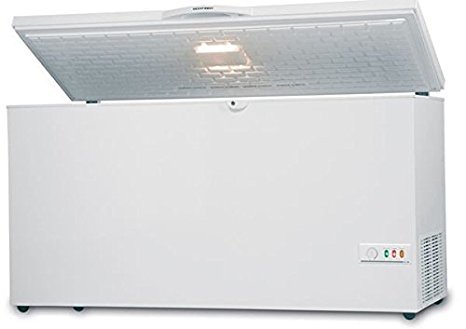
large chest freezer for sale

Large Chest Freezer for Sale: Complete Buyer’s Guide

Looking for a large chest freezer for sale? Whether you need extra food storage for your home, restaurant, or commercial kitchen, choosing the right deep freezer is essential for energy efficiency, long-term durability, and optimal storage capacity.

This guide covers everything you need to know before buying a high-capacity chest freezer.

Why Choose a Large Chest Freezer?

A large capacity chest freezer offers more storage space and better energy retention compared to upright freezers. Thanks to their horizontal design and top-opening lid, they retain cold air more efficiently, making them ideal for bulk food storage.

Key Benefits:

  • Higher storage volume (300L, 400L, 500L+ options)
  • Better energy efficiency
  • Ideal for bulk buying and meal prep
  • Suitable for home and commercial use
  • Lower long-term electricity costs

What Size Large Chest Freezer Do You Need?

When searching for a large deep freezer for sale, capacity is the most important factor.

Common Size Options:

  • 300–400 Litres: Ideal for large families
  • 400–500 Litres: Suitable for bulk storage or small businesses
  • 500+ Litres: Best for restaurants, catering businesses, and supermarkets

Tip: Measure your available space and allow ventilation clearance around the freezer.

Features to Look for in a Large Chest Freezer

Not all freezers are built the same. Here are important features to consider:

1. Energy Efficiency Rating

Look for energy-efficient models to reduce operating costs.

2. Adjustable Temperature Control

Essential for storing different types of frozen foods.

3. Fast Freeze Function

Helps quickly freeze newly added items.

4. Lockable Lid

Ideal for commercial environments or shared storage areas.

5. Interior Storage Baskets

Keeps frozen goods organised and easily accessible.

Home vs Commercial Large Chest Freezers

For Home Use:

  • Lower noise level
  • Moderate storage capacity
  • Compact design

For Commercial Use:

  • Heavy-duty compressor
  • High-capacity storage
  • Durable build quality
  • Suitable for restaurants, butcher shops, and grocery stores

If you’re running a food business, investing in a commercial chest freezer ensures compliance with food storage standards.

Energy Consumption & Running Costs

One of the biggest concerns when buying a large chest freezer for sale is electricity usage. Modern models are designed with improved insulation and efficient compressors to reduce power consumption.

Tips to reduce energy usage:

  • Keep the freezer full (but not overloaded)
  • Avoid frequent lid opening
  • Maintain proper temperature settings
  • Defrost regularly if not frost-free

Where to Buy a Large Chest Freezer

You can find large chest freezers at:

  • Appliance retailers
  • Commercial kitchen equipment suppliers
  • Online marketplaces
  • Wholesale distributors

When buying online, check warranty terms, delivery options, and return policies before purchasing.

Expert Buying Advice (EEAT)

As refrigeration technology continues to improve, selecting a high-capacity freezer requires balancing storage needs, energy efficiency, and durability. For long-term value, always:

  • Compare energy ratings
  • Check compressor warranty (minimum 2–5 years recommended)
  • Read verified customer reviews
  • Confirm after-sales support availability

Investing in the right large chest freezer ensures safe food preservation, lower energy bills, and reliable performance for years.

Conclusion

If you’re searching for a large chest freezer for sale, focus on capacity, energy efficiency, and durability. Whether for home bulk storage or commercial use, choosing the right model can significantly impact food preservation and operating costs.

Lymphoedema Exercises

How Can Lymphoedema Exercises Help Manage Your Condition?

For individuals living with lymphoedema, exercises can be a key component of managing symptoms and improving overall quality of life. Lymphoedema exercises are specifically designed to promote lymphatic drainage, reduce swelling, and improve flexibility in affected areas. Whether used in combination with other treatments or as a standalone option, these exercises can make a significant difference. But how do lymphoedema exercises work, and why are they so effective?

What Are Lymphoedema Exercises?

Lymphoedema exercises are physical activities aimed at improving the flow of lymphatic fluid in the body. They help stimulate the lymphatic system, which is responsible for draining excess fluid from the body’s tissues. These exercises are typically gentle and focus on the affected area to encourage the movement of lymph fluid.

  • Gentle Movements: Lymphoedema exercises involve low-impact activities to avoid strain on affected areas.
  • Lymphatic Drainage: The exercises help stimulate the lymph nodes and vessels, improving fluid movement.
  • Improved Range of Motion: These exercises increase flexibility and mobility in swollen limbs.
  • Strengthening Muscles: Regular exercise helps to strengthen muscles and improve circulation, reducing swelling.
  • Consistency Is Key: Daily exercises are essential to manage lymphoedema effectively and prevent flare-ups.

How Do Lymphoedema Exercises Help with Symptom Management?

Lymphoedema exercises are important in controlling the swelling that comes with this condition. Here’s how they work:

  • Promote Lymphatic Circulation: Regular exercises encourage the movement of lymph fluid, preventing the build-up of fluid in tissues.
  • Reduce Swelling: By promoting fluid flow, exercises help reduce the volume of swollen areas, making the limbs feel lighter and more comfortable.
  • Prevent Complications: Lymphoedema exercises can help reduce the risk of infection and other complications caused by stagnant lymph fluid.
  • Support Overall Mobility: The exercises improve flexibility and strength, making it easier for individuals to perform daily activities.
  • Improve Long-Term Health: By maintaining regular exercise, individuals can better manage symptoms and prevent future flare-ups.

What Are Some Common Lymphoedema Exercises?

There are several exercises that are commonly recommended for individuals with lymphoedema. These exercises are gentle and can be done at home or under the supervision of a healthcare provider.

  • Stretching Exercises: Gentle stretches for the arms, legs, or other affected areas help improve flexibility and reduce stiffness.
  • Aerobic Exercise: Low-impact activities like walking or swimming help promote lymphatic flow and cardiovascular health.
  • Strengthening Exercises: Light weight lifting or resistance training can help improve muscle strength and support lymphatic circulation.
  • Breathing Exercises: Deep breathing exercises help to relax the body and reduce fluid retention.
  • Elevation: Elevating the affected limb while performing exercises helps encourage fluid drainage.

How Can You Start Lymphoedema Exercises?

If you’ve never tried lymphoedema exercises before, it’s best to start slow and seek advice from a healthcare provider. Here’s how to get started:

  • Consult with a Specialist: Before starting any new exercise routine, it’s important to consult with a healthcare provider who understands your specific condition.
  • Start with Gentle Movements: Begin with basic exercises that are easy on your body and gradually increase intensity as you become more comfortable.
  • Use Compression Garments: Wearing compression garments while exercising helps prevent swelling and enhances fluid movement.
  • Stay Consistent: Consistency is key to managing lymphoedema. Try to perform your exercises regularly to achieve the best results.
  • Monitor Progress: Keep track of any changes in swelling or discomfort, and adjust your routine as necessary.

In conclusion, lymphoedema exercises are an effective way to manage the symptoms of lymphoedema. They promote fluid movement, reduce swelling, and improve overall physical function. By incorporating these exercises into your daily routine, you can better manage your condition and improve your quality of life.

dentist pyrmont

Is Choosing The Right Dentist In Pyrmont The Key To Long-Term Oral Health?

Have you been putting off your dental check-up because life gets busy? Finding a reliable dentist in Pyrmont can make maintaining your oral health far more convenient and stress-free. With busy work schedules and family commitments, having a trusted local clinic ensures your smile doesn’t fall to the bottom of the priority list.

How Often Should You Really Visit a Dentist?

Is twice a year enough, or does it depend on your teeth? A qualified dentist in Pyrmont will assess your individual needs rather than offering a one-size-fits-all schedule. Some patients benefit from six-monthly cleans, while others with gum concerns may require more frequent visits. Regular examinations help detect minor issues before they turn into costly or painful problems.

Can a Local Dentist Help Beyond Basic Check-Ups?

Many people assume dental clinics only handle fillings and cleans. However, a modern dentist in Pyrmont may provide a wide range of services including restorative treatments, cosmetic procedures and preventative care plans. From repairing chipped teeth to offering tailored advice on enamel protection, comprehensive care supports both function and appearance.

What Role Does Lifestyle Play in Your Dental Health?

Do takeaway coffees, late-night snacks or high-stress routines affect your teeth? Absolutely. A proactive dentist in Pyrmont will not only treat existing concerns but also guide patients on managing habits that contribute to decay or staining. Nutritional advice, proper brushing techniques and early gum disease management can significantly reduce future dental complications.

Is Comfort and Communication Really That Important?

Have you ever left an appointment feeling confused about your treatment plan? Clear explanations and a calm environment matter more than many realise. Choosing a supportive dentist in Pyrmont means you can ask questions openly and understand every step of your care. This transparency builds trust and reduces anxiety, especially for those who may feel uneasy about dental procedures.

What About Cosmetic Improvements?

Are you considering enhancing your smile but unsure where to begin? A skilled dentist in Pyrmont can discuss options such as whitening, veneers or alignment solutions tailored to your goals. Cosmetic treatments are not just about appearance; they often improve bite balance and overall dental function as well.

How Can You Maintain Results Between Visits?

Professional treatment is only part of the journey. Following guidance from your dentist in Pyrmont, including proper flossing habits and selecting suitable oral care products, helps preserve results. Preventative care at home plays a major role in long-term success.

Conclusion

Selecting the right dentist in Pyrmont is an investment in both your health and confidence. From personalised care plans to advanced treatment options, a trusted local professional supports every stage of your dental journey. By prioritising regular visits and proactive maintenance, achieving a healthy, lasting smile becomes a realistic and rewarding goal.

Kitchen and Bathroom Demolition: A Complete Guide

Renovating your kitchen or bathroom starts long before the new cabinets or tiles arrive. The first crucial step is kitchen and bathroom demolition, a process that requires careful planning, the right tools, and safety precautions. Done properly, demolition sets the stage for a smooth, efficient renovation.

Why Proper Demolition is Essential

Many homeowners underestimate the complexity of a kitchen or bathroom strip-out. These areas contain plumbing, electrical wiring, and structural components that must be handled safely. Incorrect demolition can lead to:

  • Water leaks from damaged pipes
  • Electrical hazards
  • Structural damage
  • Delays and higher renovation costs

Professional-level demolition ensures a clean, safe slate, ready for remodeling. Even if you’re doing it yourself, understanding the process helps prevent costly mistakes.

Steps Involved in Kitchen and Bathroom Demolition

A thorough kitchen and bathroom strip-out involves more than just removing old cabinets or tiles. Here’s a breakdown of the key steps:

1. Planning and Safety Preparation

  • Turn off water and electricity
  • Remove fragile items and appliances
  • Wear protective gear such as gloves, goggles, and masks

2. Removal of Fixtures and Cabinets

  • Cabinets, benchtops, and sinks are carefully dismantled
  • Vanities, mirrors, and shelving units are removed efficiently

3. Flooring and Wall Demolition

  • Tiles, vinyl, or laminate flooring is stripped
  • Wall tiles or plaster may be removed depending on renovation needs

4. Plumbing and Electrical Preparation

  • Pipes and wiring are disconnected safely
  • Ensures the space is ready for new installations

5. Waste Management

  • Debris is collected and disposed of responsibly
  • Helps maintain a clean workspace for the next renovation stage

Tips for a Safe and Efficient Demolition

  • Use the right tools: sledgehammers, pry bars, tile scrapers, and utility knives
  • Work systematically: remove large items first, then tackle smaller fixtures
  • Keep debris contained: prevents accidents and speeds up cleanup
  • Know your limits: heavy lifting or complex plumbing may require professionals

Benefits of a Professional or Well-Planned DIY Demolition

  1. Time-Saving: Reduces the duration of your renovation project
  2. Safety: Minimizes the risk of injury from sharp tools or debris
  3. Clean Slate: Creates a ready-to-renovate space without hidden issues
  4. Cost Efficiency: Prevents expensive mistakes and damage

Conclusion

Whether you’re updating your kitchen for modern aesthetics or giving your bathroom a full makeover, proper kitchen and bathroom demolition is the first step toward success. Planning, safety, and systematic removal of fixtures and debris ensure your renovation starts on the right foot.

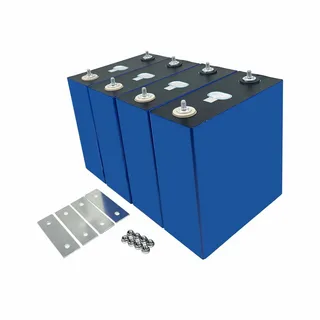
buy lithium deep cycle battery

Considering Buying a Lithium Deep Cycle Battery? Here’s What Aussies Need to Know

When it comes to powering up your caravan, boat, or off-grid solar system, a reliable battery is worth its weight in gold. If you’re looking to buy a lithium deep cycle battery in Australia, you’re not alone. These batteries have become increasingly popular for their efficiency and durability, but what makes them a standout choice? Let’s dig into the key considerations to help you make an informed decision.

1. Understanding Lithium Deep Cycle Batteries

Lithium deep cycle batteries have been gaining traction in Australia for good reason. Unlike traditional lead-acid batteries, lithium batteries offer a longer lifespan and require less maintenance. They’re lighter, which is a game-changer for mobile applications like caravanning and boating. Plus, they provide consistent power output, ensuring your adventures don’t get cut short.

2. Why Aussies Prefer Lithium Over Lead-Acid

The Australian landscape is diverse, offering everything from sandy beaches to rugged outback terrains. For those exploring such varied environments, reliability is key. Lithium deep cycle batteries handle Australia’s temperature extremes better than their lead-acid counterparts. They charge faster and can be discharged deeper without compromising longevity, making them ideal for the Aussie adventurer who’s always on the move.

3. Assessing Capacity Needs

Before you buy a lithium deep cycle battery, consider what you’ll be powering. Are you running a few lights and a fridge in your caravan or a full-scale solar setup at your bush retreat? Calculate your total energy consumption to ensure you choose a battery with enough capacity. Remember, it’s better to have a bit more power than you think you’ll need—no one wants to be left in the dark in the middle of nowhere.

4. The Cost Factor

While lithium batteries come with a higher upfront cost compared to lead-acid options, they’re a solid investment for long-term savings. Their extended lifespan means fewer replacements, and their efficiency can lead to lower overall energy costs. In Australia, where energy independence is becoming increasingly appealing, investing in a lithium deep cycle battery could be a smart financial move.

5. Environmental Considerations

For the environmentally conscious, the eco-friendliness of lithium batteries is a significant plus. They’re more energy-efficient and have a lower carbon footprint over their lifecycle compared to traditional batteries. In a country like Australia, where sustainability is a growing concern, choosing a lithium deep cycle battery aligns with eco-friendly values.

6. Installation and Safety Tips

Once you’ve decided to buy a lithium deep cycle battery, it’s crucial to ensure correct installation. Improper setup can lead to decreased performance or even safety hazards. Always follow the manufacturer’s instructions and, if in doubt, seek professional help. In Australia’s sometimes harsh conditions, a well-installed battery system is essential for safe and reliable operation.

Choosing to buy a lithium deep cycle battery is more than just an upgrade—it’s an investment in reliability, efficiency, and sustainability. For Australians keen on exploring their vast backyard without interruption, these batteries offer peace of mind and performance that truly goes the distance.

FAQs

Can lithium deep cycle batteries be used in extreme temperatures?

Yes, they perform well in varied Australian climates, but always check the specific battery specifications for optimal temperature ranges.

How often do lithium deep cycle batteries need replacing compared to lead-acid?

Lithium batteries typically last two to three times longer than lead-acid batteries, making them a cost-effective option over time.

Are lithium batteries safe for marine use?

Absolutely. Their lightweight and efficient power make them ideal for boats. Just ensure they’re installed correctly to avoid any issues.

Taxi Service Manly: Reliable Transport for Locals and Visitors

Whether you’re heading to the beach, catching a ferry, or making an early morning airport run, a dependable taxi service in Manly makes getting around much easier. With the suburb’s mix of residential streets, tourist hotspots, and busy coastal areas, a local taxi option offers convenience when public transport isn’t ideal or when you’re carrying luggage, surfboards, or shopping bags.

Taxis provide flexible pick-ups and drop-offs, immediate availability, and door-to-door transport that suits everyday travel as well as special occasions.


Benefits of Choosing a Taxi in Manly

Fast and Convenient Transport

Unlike buses or trains with set routes and schedules, a taxi can pick you up from your exact location — whether it’s a café on The Corso or a beachfront apartment. This makes them a practical choice for point-to-point travel in and around the area.

Professional and Safe Drivers

Licensed taxi drivers know local streets, traffic patterns, and shortcuts to help get you where you need to be with minimal stress. You also benefit from regulated fares and established safety standards.

Ideal for All Ages and Needs

Taxis are suitable for:

  • Commuters heading to work or appointments
  • Visitors exploring local attractions
  • Families with children and gear
  • Seniors seeking comfortable transport

This versatility makes a taxi service Manly locals trust one of the go-to options for everyday and occasional travel.


Common Routes and Uses

People tend to call a taxi in and around Manly for a variety of trips, including:

  • Airport transfers to Sydney Airport or Newcastle
  • Connections to ferry wharves for Sydney Harbour cruises
  • Transport to nearby suburbs like Brookvale, Fairlight, and Dee Why
  • Late-night returns after dining or events
  • Business travel where punctuality matters

This flexibility helps make taxis a practical solution in many travel scenarios.


Comparing Taxi Options with Other Transport

When deciding between taxis and alternatives like rideshare or public transport, consider:

  • Immediate availability: Taxis can be hailed or booked quickly without waiting for a ride request to be accepted
  • Fixed-fare options: Many services offer set rates for popular routes like airport transfers
  • Accessibility: Taxis often offer more space for luggage, beach gear, or wheelchairs compared with buses
  • Public transport: Buses and ferries serve certain routes, but may require transfers or walking

For those who value convenience and comfort, taxis remain a strong choice.


How to Book a Taxi in Manly

Booking is easy and flexible:

  • Phone dispatch with local taxi companies
  • Taxi ranks located near transport hubs or busy streets
  • App-based booking through established taxi apps that offer tracking and payment options

These choices help you secure a ride that fits your schedule and preferences.


Tips for a Smooth Taxi Experience

  • Confirm the pickup location and expected fare before you ride
  • If traveling with luggage or gear, mention it when booking so the driver can prepare
  • Check if your taxi supports card or mobile payments
  • Consider advance booking for peak times or airport runs

These simple steps help make your journey seamless and stress-free.


Final Thought

A taxi service in Manly offers dependable, flexible transport for a wide range of travel needs — from daily commutes to beach outings and airport connections. With professional drivers, local knowledge, and easy booking options, taxis remain a go-to choice for residents and visitors alike.

Candle Products for Modern Living

The Complete Guide to Candle Products for Modern Living

Soft light flickers across a room, subtle fragrance lingers in the air, and a calm atmosphere begins to settle in. Candle products have long played a role in daily routines, seasonal décor, and mindful relaxation practices. From decorative accents to aromatherapy essentials, these products combine functionality with aesthetic appeal.

Today, candle products are available in a wide variety of materials, shapes, and scent profiles. Understanding their types, uses, and benefits helps in selecting options that suit different spaces and preferences.

Types of Candle Products

Candle products vary based on wax type, purpose, and design. Each category serves a distinct function.

1. Scented Candles

Scented candle products are infused with fragrance oils or essential oils. Popular scent families include floral, woody, citrus, and gourmand. These candles are often used in bedrooms, living areas, and bathrooms to create a pleasant environment.

2. Soy Candles

Soy-based candle products are made from soybean oil. They tend to burn cleaner and produce less soot compared to paraffin alternatives. Many individuals prefer soy candle products for their smoother texture and longer burn time.

3. Beeswax Candles

Beeswax candle products are crafted from natural beeswax. They typically burn slowly and emit a subtle honey-like aroma. Their firm texture allows for intricate molded designs.

4. Decorative Candles

Decorative candle products focus on visual appeal. Sculpted shapes, layered colors, and artistic containers make them suitable for table settings, festive occasions, and home styling.

5. Container Candles

Container candle products are poured into jars, tins, or ceramic holders. These designs help manage wax melting and are convenient for indoor use.

Materials Used in Candle Products

The composition of candle products affects burn quality and scent throw.

  • Paraffin Wax: Common and affordable, offering strong fragrance diffusion.
  • Soy Wax: Plant-based and biodegradable.
  • Beeswax: Natural and dense, often drip-resistant.
  • Coconut Wax: Smooth texture with excellent scent retention.
  • Wicks: Cotton, wood, or braided fiber options influence flame stability.

Choosing high-quality candle products ensures an even burn and consistent fragrance distribution.

Benefits of Using Candle Products

Candle products contribute to both ambiance and emotional well-being.

  • Atmosphere Enhancement: Warm lighting creates a soothing environment.
  • Aromatherapy Support: Certain scents may promote relaxation or focus.
  • Decorative Value: Stylish candle products complement interior design.
  • Mindfulness Practices: Candles are frequently incorporated into meditation routines.

Proper care improves performance. Trimming the wick to about 1/4 inch before each use helps maintain a steady flame. Allowing the wax to melt evenly across the surface prevents tunneling.

Safety Tips for Candle Products

Safe handling is essential when using candle products.

  • Place candles on heat-resistant surfaces.
  • Keep away from drafts, curtains, and flammable materials.
  • Avoid leaving burning candles unattended.
  • Keep out of reach of children and pets.

Following these guidelines helps reduce fire risks while enjoying candle products responsibly.

Environmental Considerations

Sustainability plays a growing role in candle products manufacturing. Eco-friendly packaging, reusable containers, and plant-based waxes are increasingly common. Selecting options with minimal synthetic additives may reduce indoor air pollutants.

Frequently Asked Questions (FAQs)

1. How long do candle products typically burn?
Burn time depends on wax type and size. Soy and beeswax candle products generally burn longer than paraffin varieties of the same size.

2. Why does tunneling occur in candle products?
Tunneling happens when wax melts only around the wick. Allowing the candle to burn until the entire top layer melts evenly helps prevent this issue.

3. Are scented candle products safe for indoor use?
Most candle products are safe when used according to instructions. Proper ventilation and responsible burning practices are recommended.

4. How should candle products be stored?
Store candle products in a cool, dry place away from direct sunlight to preserve scent and color.

5. Which wax type is best for decorative candle products?
Beeswax and paraffin are often chosen for detailed designs due to their firmness and molding capability.

Candle products continue to remain relevant in home décor, relaxation routines, and seasonal traditions. With thoughtful selection and proper care, these versatile items add warmth and character to everyday spaces.

Discovering the Benefits of Evaporative Cooling in Camberwell

When summer hits Camberwell, the local community knows all too well the need to keep cool. It’s not just about comfort; it’s about enjoying everything this charming Melbourne suburb has to offer without breaking a sweat. Enter evaporative cooling, a popular solution for those seeking efficient and eco-friendly ways to beat the heat. Let’s explore why this cooling method fits right in with Camberwell’s unique atmosphere and lifestyle.

Embracing the Natural Breeze

Evaporative cooling works by drawing in fresh air from outside and passing it through water-saturated pads, which cools the air through evaporation. This method is perfect for Camberwell’s climate, where the dry summer air can be a blessing in disguise. By harnessing this natural process, residents can enjoy a refreshing, breeze-like coolness that feels a lot like stepping into a leafy pocket of Camberwell Gardens.

Energy Efficiency: A Smart Choice

Camberwell locals are known for their appreciation of sustainable living, and evaporative cooling aligns perfectly with these values. Unlike traditional air conditioning, which can be energy-intensive, evaporative cooling uses significantly less electricity. This not only means lower energy bills but also reduces the carbon footprint, something that’s increasingly important to the environmentally-conscious residents of Camberwell.

Keeping It Quiet

Camberwell’s serene streets and tranquil parks are part of its charm. No one wants the peace disrupted by the constant hum of an air conditioning unit. With evaporative cooling, the noise levels are kept to a minimum, making it a quiet solution that complements the suburb’s quietude. Whether enjoying a peaceful morning at the Camberwell Market or an afternoon stroll through Read Gardens, the last thing anyone wants is the clatter of machinery.

Healthier Air for Healthier Living

Indoor air quality is crucial, especially in a community that values health and well-being as much as Camberwell does. One of the benefits of evaporative cooling is its ability to improve air quality. It continuously cycles fresh air into the home, preventing the stale air that can occur with reverse cycle air conditioning. For those with respiratory issues or allergies, this can make a noticeable difference, particularly when the infamous Melbourne pollen season kicks in.

Cost-Effective Comfort

Let’s face it, living in Camberwell doesn’t come cheap, and homeowners appreciate solutions that offer value for money. Evaporative cooling in camberwell are typically more affordable to install than ducted air conditioning systems, and their running costs are lower too. For families looking to stay cool on a budget while still enjoying the perks of their beautiful suburb, this option ticks all the right boxes.

FAQ:

Q1. Is evaporative cooling effective in Camberwell’s climate?

Absolutely. Camberwell’s dry summer air is ideal for evaporative cooling, which works best in arid conditions.

Q2. Can evaporative cooling systems be installed in older homes?

Yes, they can. Many older homes in Camberwell have successfully implemented evaporative cooling systems, often with minimal modifications required.

Q3. Do evaporative coolers require a lot of maintenance?

Not at all. Regular maintenance involves simple cleaning and ensuring the water supply is adequate, making it a low-maintenance option compared to other systems.

In a suburb like Camberwell, where the community cherishes both heritage and innovation, evaporative cooling provides an elegant solution to summer’s heat. It’s a method that respects the environment, enhances comfort, and fits seamlessly into the lifestyle of this vibrant Melbourne locale. Whether you’re relaxing at home or exploring the local sights, staying cool has never been more in tune with the Camberwell way of life.