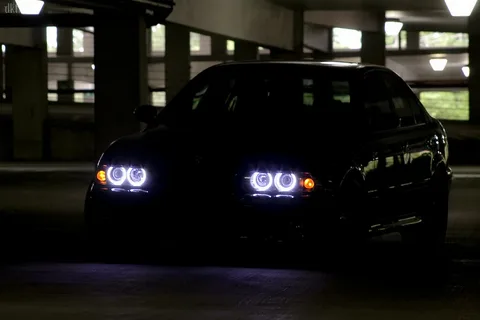
BMW angel eyes have become a symbol of style and innovation for many car enthusiasts. These distinctive circular lights not only enhance the aesthetic appeal of your vehicle but also improve visibility on the road. If you are considering installing aftermarket BMW angel eyes, there are several important factors to understand before making the upgrade. This article will guide you through the essentials, helping you make an informed decision.
What Are BMW Angel Eyes and How Do They Work?
BMW angel eyes, often referred to as halo lights, are rings of light surrounding the headlight projectors. They were originally introduced as a design signature but now serve both functional and decorative purposes. Most aftermarket versions use LED or CCFL technology, offering brighter illumination, longer lifespan, and energy efficiency compared to older setups. When selecting an aftermarket kit, consider the light source, colour temperature, and compatibility with your car’s electrical system.
Are Aftermarket Angel Eyes Legal on the Road?
Before purchasing, it’s important to check local vehicle regulations. Some jurisdictions have strict rules about headlight modifications, including colour and brightness levels. White or amber lights are generally safe, while blue or excessively bright rings may not be road-legal. Installing non-compliant lights could lead to fines or failed vehicle inspections. Always confirm your region’s requirements before proceeding with installation.
How Difficult Is the Installation Process?
The complexity of fitting aftermarket angel eyes can vary depending on your BMW model. Some kits are plug-and-play, designed for easy installation, while others require wiring adjustments and minor modifications to the headlight assembly. If you are comfortable with basic electrical work and tools, you may handle the installation yourself. However, for intricate setups, seeking professional assistance ensures the lights are installed safely and function correctly.
What Are the Costs Involved?
Aftermarket angel eyes can vary significantly in price. Factors influencing cost include the quality of materials, light source type, and additional features like colour-changing LEDs. Remember to budget for potential extra components, such as wiring harnesses or resistors, especially if your car has a more complex electrical system. While it may be tempting to go for the cheapest option, prioritising quality ensures longevity and reduces the risk of damage to your vehicle’s electronics.
How Do You Maintain Aftermarket Angel Eyes?
Once installed, maintaining angel eyes is relatively simple. Keep the lenses clean to preserve brightness and prevent yellowing or cloudiness. Periodically inspect the wiring and connections for signs of wear or corrosion. LED-based angel eyes usually require minimal maintenance compared to older CCFL rings. Proper care not only extends the lifespan but also maintains the overall look of your BMW.
Are There Any Performance Considerations?
Aftermarket angel eyes can slightly affect your car’s electrical load. High-powered kits may draw more current, which could impact other systems if not properly managed. Choosing a kit compatible with your vehicle’s electrical capacity is essential. Additionally, ensure that the lights do not interfere with your headlights’ main beam or indicators to maintain safety and compliance.
Conclusion
Upgrading your BMW with aftermarket angel eyes is a popular way to enhance both style and visibility. By understanding how these lights work, legal requirements, installation complexity, costs, and maintenance needs, you can make a confident and informed decision. Taking the time to research and plan before installation will ensure your new angel eyes are safe, functional, and visually striking.