
Category Archive : Business

Freestanding bath tubs

Why Freestanding Bath Tubs Are A Popular Choice For Modern Bathrooms


Bathroom design has evolved to focus on comfort, style, and relaxation. Freestanding bath tubs have become a standout feature in many modern homes due to their elegant appearance and functional benefits. Whether upgrading an existing bathroom or designing a new space, these tubs offer a perfect balance of luxury and practicality.

What are freestanding bath tubs?

Freestanding bath tubs are self-supporting units that are not attached to walls or built into structures. They can be placed anywhere in the bathroom, making them a versatile option for different layouts. Available in various shapes, sizes, and materials, these tubs can suit both contemporary and traditional interiors.

Why are freestanding bath tubs so popular?

One of the main reasons for their popularity is their visual appeal. These tubs often act as a focal point, adding a touch of sophistication to any bathroom. Their flexibility in placement allows homeowners to create a more open and spacious feel. Additionally, they are available in designs that cater to both minimalist and classic preferences.

What materials are commonly used?

Freestanding bath tubs are made from a range of materials, each offering unique benefits. Acrylic is lightweight, affordable, and retains heat well. Stone resin provides a premium look with excellent durability. Cast iron is known for its strength and long-lasting performance, while solid surface materials offer a smooth, modern finish. Choosing the right material depends on budget, style, and maintenance preferences.

How do you choose the right freestanding bath tub?

Selecting the right tub involves considering the size of the bathroom, plumbing requirements, and personal comfort. Measuring available space is essential to ensure the tub fits without overcrowding the room. Shape also matters, as oval tubs provide a softer look, while rectangular designs create a more structured feel. Depth and ergonomic design should also be evaluated for maximum comfort.

Are freestanding bath tubs easy to install?

Installation is generally straightforward, but it depends on plumbing access and floor support. Since these tubs are not fixed to walls, they require proper positioning of drainage and water connections. Professional installation is often recommended to ensure stability and correct setup.

How do you maintain a freestanding bath tub?

Maintenance is relatively simple with regular cleaning using mild, non-abrasive products. Different materials may require specific care, so following manufacturer guidelines is important. Proper cleaning helps maintain the tub’s finish and ensures long-term durability.

What are the benefits of freestanding bath tubs?

Freestanding bath tubs offer several advantages, including design flexibility, aesthetic appeal, and comfort. They can enhance the overall look of a bathroom while providing a relaxing bathing experience. Their standalone nature allows for creative layouts and easier access for cleaning around the unit.

People also ask

Are freestanding bath tubs suitable for small bathrooms?

Yes, compact designs are available that fit well in smaller spaces without compromising on style.

Do freestanding bath tubs retain heat well?

Many modern materials, such as acrylic and stone resin, are designed to retain heat effectively for a comfortable bathing experience.

Can these tubs increase property value?

A well-designed bathroom with a stylish tub can enhance the overall appeal of a property and attract potential buyers.

Are they more expensive than built-in tubs?

Costs can vary depending on material and design, but there are options available across different price ranges.

Conclusion

Freestanding bath tubs continue to grow in popularity due to their stylish design and practical benefits. They offer a unique way to elevate bathroom spaces while providing comfort and flexibility. With the right selection and proper installation, these tubs can become a lasting feature that enhances both daily living and overall home value.

Sciatica Treatments Near You: Effective Ways to Relieve Nerve Pain

Sciatica is a painful condition that affects the lower back and radiates down through the legs. It occurs when the sciatic nerve is compressed or irritated, often due to issues like a herniated disc, poor posture, or muscle tension. Finding the right sciatica treatments near you is essential for managing pain, improving mobility, and preventing long-term complications.

What Causes Sciatica

Understanding the cause of sciatica helps in choosing the right treatment.

  • Herniated or slipped disc
  • Spinal stenosis
  • Degenerative disc conditions
  • Muscle tightness or inflammation
  • Poor posture or prolonged sitting

Addressing the root cause is key to long-term relief.

Common Sciatica Treatments Near You

There are several treatment options available depending on the severity of symptoms.

  • Physiotherapy to strengthen muscles and improve flexibility
  • Chiropractic care to correct spinal alignment
  • Medications for reducing pain and inflammation
  • Massage therapy to relieve muscle tension
  • Exercise programs focused on stretching and strengthening
  • Surgery in severe or persistent cases

Most people benefit from non-invasive treatments when started early.

Benefits of Professional Treatment

Choosing the right sciatica treatments near you can provide multiple benefits.

  • Faster pain relief and recovery
  • Improved movement and flexibility
  • Reduced nerve pressure and inflammation
  • Lower risk of recurring pain
  • Personalised treatment plans

Early intervention leads to better outcomes and quicker recovery.

At-Home Remedies for Sciatica Relief

In addition to professional care, simple home practices can support healing.

  • Apply heat or ice packs to reduce pain
  • Perform gentle stretching exercises daily
  • Maintain proper posture while sitting and standing
  • Stay active with light activities like walking
  • Avoid long periods of inactivity

These methods can help manage symptoms effectively.

When to Seek Professional Help

It is important to consider sciatica treatments near you if symptoms persist.

  • Pain lasts more than a few weeks
  • Numbness or weakness in the leg
  • Difficulty standing or walking
  • Increasing discomfort over time

Delaying treatment may worsen the condition.

Tips for Preventing Sciatica

Preventing sciatica involves maintaining healthy habits.

  • Practice good posture throughout the day
  • Exercise regularly to strengthen core muscles
  • Avoid prolonged sitting without breaks
  • Use proper lifting techniques
  • Maintain a healthy and active lifestyle

These steps help reduce the risk of future episodes.

Common Questions About Sciatica Treatments Near You

Is sciatica permanent
No, most cases improve with proper treatment and care

How long does recovery take
Recovery may take a few weeks to a few months depending on severity

Is surgery always required
No, surgery is usually only needed in severe cases

Final Thoughts

Finding the right sciatica treatments near you can make a significant difference in managing pain and restoring quality of life. With a combination of professional care, home remedies, and lifestyle changes, most people can achieve long-term relief.

By addressing the root cause and staying consistent with treatment, it is possible to recover effectively and prevent future discomfort.

Natural Stone: Timeless Beauty for Modern Spaces

Natural stone has been used in construction and design for centuries, valued for its durability, elegance, and unique appearance. From residential homes to large commercial projects, natural stone continues to be a popular choice for those seeking both functionality and aesthetic appeal.

Each piece of stone is formed over time by nature, giving it distinctive textures, patterns, and colours that cannot be replicated by synthetic materials.

What Is Natural Stone

Natural stone refers to materials that are quarried directly from the earth and used in their natural form for construction and design. Unlike manufactured products, these stones retain their original characteristics, making every piece unique.

They are widely used for flooring, walls, countertops, outdoor paving, and landscaping.

Types of Natural Stone

There are several types of natural stone, each with its own properties and uses.

  • Granite known for its strength and durability
  • Marble valued for its luxurious and polished appearance
  • Limestone offering a softer and more natural look
  • Travertine with a textured surface ideal for outdoor use
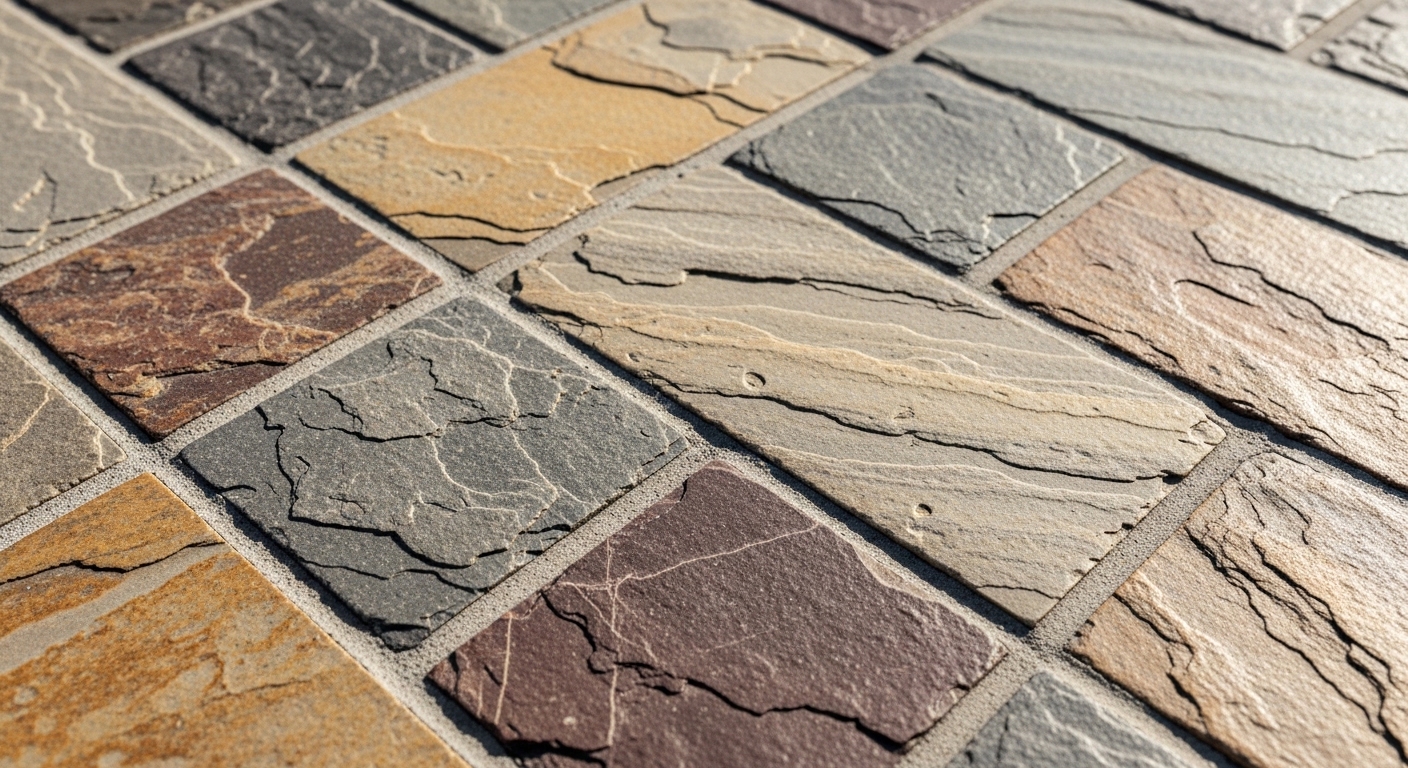
  • Slate known for its earthy tones and slip resistance

Choosing the right type depends on the application and design preference.

Benefits of Natural Stone

Natural stone offers a range of advantages that make it a preferred material.

  • Long-lasting and highly durable
  • Unique appearance with natural patterns
  • Resistant to wear and weather conditions
  • Adds value to properties
  • Suitable for both indoor and outdoor use

Its combination of beauty and strength makes it a timeless investment.

Common Applications

Natural stone is versatile and used in various areas.

  • Flooring in homes and commercial spaces
  • Kitchen countertops and splashbacks
  • Bathroom walls and vanities
  • Outdoor paving and garden pathways
  • Feature walls and architectural elements

Its adaptability allows it to fit both modern and traditional designs.

Indoor vs Outdoor Use

Different types of natural stone are suited for different environments.

  • Polished stones like marble are ideal for indoor use
  • Textured stones like travertine and slate are better for outdoor areas
  • Weather-resistant stones are suitable for patios and driveways

Selecting the right finish ensures safety and longevity.

Maintenance and Care

Proper maintenance helps preserve the beauty and durability of natural stone.

  • Clean regularly with mild, non-acidic solutions
  • Seal surfaces to protect against stains and moisture
  • Avoid harsh chemicals that may damage the surface
  • Repair chips or cracks promptly

With the right care, natural stone can last for decades.

Natural Stone vs Engineered Materials

Natural stone differs from engineered materials in several ways.

  • Natural stone is unique, while engineered materials are uniform
  • It offers a more authentic and organic appearance
  • Engineered products may require less maintenance
  • Natural stone often has a longer lifespan

The choice depends on design preferences and maintenance considerations.

Sustainability and Environmental Impact

Natural stone is considered an eco-friendly material when sourced responsibly.

  • Requires minimal processing compared to synthetic materials
  • Long lifespan reduces the need for replacement
  • Can be reused or repurposed
  • Supports sustainable building practices

Using natural stone contributes to environmentally conscious design.

Common Questions About Natural Stone

Is natural stone expensive
Costs vary depending on the type and quality, but it is a long-term investment

Can natural stone be used outdoors
Yes, many types are suitable for outdoor applications

Does natural stone require sealing
Yes, sealing helps protect it from stains and moisture

Final Thoughts

Natural stone remains a timeless and versatile material for both construction and design. Its durability, unique appearance, and wide range of applications make it a valuable choice for any project.

By selecting the right type of stone and maintaining it properly, homeowners and designers can create beautiful, long-lasting spaces that stand the test of time.

Lymphedema Pumps For Home Use

Manage Lymphedema at Home with Easy-to-Use Compression Pumps

Living with lymphedema can be challenging, especially when swelling, discomfort, and restricted movement start affecting your daily routine. Regular clinic visits may not always be convenient, which is why many people are turning to Lymphedema Pumps For Home Use as a reliable solution that offers both comfort and consistency. Easy-to-use compression pumps are becoming a practical way to manage lymphedema effectively from the comfort of your own home. 

Understanding Lymphedema and Its Impact

Lymphedema occurs when lymphatic fluid builds up in the tissues, causing swelling—most commonly in the arms or legs. This can happen due to surgery, injury, or underlying health conditions. Over time, untreated swelling can lead to discomfort, tightness, and reduced mobility, making early and consistent care essential.

Why Choose Compression Pumps for Home Use?

Compression pumps are designed to gently apply air pressure in a sequence, helping move excess fluid out of the affected area and back into circulation. Unlike basic compression garments, these devices provide a more structured and targeted approach to managing swelling.

Using a compression pump at home allows you to stay consistent with your therapy without needing frequent appointments. It gives you more control over your routine, making it easier to fit treatment into your day—whether that’s in the morning, after work, or before bed.

Key Benefits of At-Home Compression Pumps

One of the biggest advantages is convenience. You can manage your condition on your schedule, without the stress of travel or waiting times. These devices are also designed with comfort in mind, featuring adjustable settings that allow you to control the pressure level based on your needs.

Regular use can help reduce swelling, improve circulation, and relieve that heavy or tight feeling in your limbs. Many users also report better mobility and an overall improvement in their quality of life when they stick to a consistent routine.

Easy to Use, Designed for Daily Life

Modern compression pumps are built to be user-friendly. With simple controls and comfortable sleeves, they are suitable for daily use, even if you have little to no experience with medical devices. Most systems are lightweight and easy to store, making them a practical addition to your home care setup.

Supporting Your Long-Term Wellness

Managing lymphedema isn’t just about short-term relief—it’s about maintaining long-term health and preventing complications. Incorporating a compression pump into your daily routine can support better fluid movement, reduce the risk of worsening symptoms, and help you stay active.

Take Control of Your Care

You don’t have to let lymphedema dictate your lifestyle. With the right tools and a consistent approach, managing swelling at home becomes far more achievable. Easy-to-use compression pumps offer a reliable, comfortable, and effective way to stay on top of your condition—helping you feel more in control, every single day.

If you’re looking for a practical solution that fits into your routine, now is the time to explore how a home compression pump can support your journey toward better comfort and mobility.

Conclusion

Managing lymphedema doesn’t have to feel overwhelming or restrictive. With easy-to-use compression pumps, you can take a more active role in your care while staying comfortable at home. These devices offer a simple yet effective way to reduce swelling, improve circulation, and support your daily routine without constant clinic visits.

By staying consistent and choosing a solution that fits your lifestyle, you can maintain better control over your symptoms and overall well-being. Investing in the right at-home care not only brings physical relief but also helps you regain confidence, mobility, and peace of mind.

Experience the Benefits of Lymphatic Facial Massage Woollahra

In today’s fast-paced lifestyle, stress, pollution, and lack of proper skincare can leave your skin looking dull, tired, and congested. If you’re searching for a natural and effective way to refresh your skin, Lymphatic Facial Massage Woollahra is the perfect solution. This gentle yet powerful treatment is designed to detoxify, sculpt, and restore your skin’s natural glow.

What Is Lymphatic Facial Massage?

Lymphatic facial massage is a specialised technique that stimulates the lymphatic system just beneath the skin. The lymphatic system plays a vital role in removing toxins, excess fluids, and waste from the body. When this system becomes sluggish, it can lead to puffiness, dullness, and breakouts.

Through rhythmic and precise movements, this massage helps encourage lymph flow, resulting in clearer, healthier-looking skin.

Key Benefits of Lymphatic Facial Massage Woollahra

1. Reduces Puffiness and Swelling

One of the most noticeable benefits is the reduction of facial puffiness, especially around the eyes and jawline. By promoting fluid drainage, your face appears more sculpted and defined.

2. Enhances Natural Glow

By boosting circulation and removing toxins, lymphatic facial massage leaves your skin looking radiant and refreshed. It’s an ideal treatment before special events or whenever your skin needs a boost.

3. Improves Skin Tone and Texture

Regular sessions can help even out skin tone, smooth texture, and reduce the appearance of fine lines, giving you a youthful and revitalised look.

4. Supports Detoxification

This treatment helps your body naturally eliminate toxins, which can reduce acne breakouts and improve overall skin clarity.

5. Promotes Relaxation

Beyond the physical benefits, lymphatic facial massage is deeply calming. It helps reduce stress and tension, leaving you feeling relaxed and rejuvenated.

Why Choose Lymphatic Facial Massage in Woollahra?

Woollahra is known for its premium wellness and beauty services, making it an ideal location to experience high-quality lymphatic facial treatments. Skilled practitioners in the area use advanced techniques tailored to your skin type and concerns, ensuring personalised care and optimal results.

Whether you’re dealing with tired skin, fluid retention, or simply want to maintain a healthy glow, choosing Lymphatic Facial Massage Woollahra ensures a professional and luxurious experience.

What to Expect During Your Session

During your session, a trained therapist will use light, rhythmic strokes and gentle pressure to stimulate lymph flow. The treatment is non-invasive, pain-free, and suitable for all skin types.

You may notice immediate results, including reduced puffiness and a brighter complexion. With regular treatments, the benefits become even more pronounced, improving your skin’s health over time.

Is It Right for You?

Lymphatic facial massage is ideal for anyone looking to:

  • Reduce facial swelling and puffiness
  • Improve skin clarity and glow
  • Support natural detoxification
  • Relax and de-stress
  • Maintain youthful, healthy skin

It’s a safe and effective treatment for most individuals and can be easily incorporated into your regular skincare routine.

Conclusion

If you’re looking for a natural, non-invasive way to revitalise your skin, Lymphatic Facial Massage Woollahra offers incredible benefits. From detoxification and improved circulation to relaxation and radiant skin, this treatment is a holistic approach to beauty and wellbeing.

Invest in your skin and experience the difference a professional lymphatic facial massage can make—because healthy, glowing skin starts from within.

Putting Green In Castle Hill For Practical Golf Practice At Home

A putting green provides a dedicated space for practising short-distance golf skills in a controlled environment. It combines surface preparation, turf selection, and precise installation to replicate real playing conditions. Putting green in Castle Hill projects are designed to deliver consistent ball roll, durability, and ease of maintenance. This beginner’s guide explains the essential elements involved in creating and maintaining a functional putting green.

Understanding the Purpose of a Putting Green

A putting green is specifically designed for practising putting techniques, focusing on accuracy and control rather than long-distance shots. Its construction aims to simulate the smoothness and responsiveness of professional greens.

  • Provides a controlled surface for consistent ball movement
  • Supports skill development in alignment and speed control
  • Enables regular practice without visiting external facilities
  • Offers a compact solution for residential spaces
  • Enhances recreational use of outdoor areas

Planning the Layout and Design

Proper planning ensures the putting green fits the available space while delivering an effective practice environment. Layout decisions influence usability and performance.

  • Measure the available area for accurate design
  • Decide on the number of holes and their placement
  • Incorporate gentle slopes for realistic practice
  • Ensure adequate surrounding space for movement
  • Plan drainage to prevent water accumulation

Designing for Realistic Play

Incorporating subtle contours improves the overall functionality of the putting green.

  • Create slight undulations to simulate real course conditions
  • Position holes at varying distances
  • Balance flat and sloped areas for varied practice

Preparing the Base Surface

A stable base is essential for achieving a smooth and durable putting surface. Proper preparation prevents unevenness and long-term issues.

  • Clear the area of debris and vegetation
  • Level the ground to create a uniform base
  • Compact the soil to ensure stability
  • Add a sub-base layer for support and drainage
  • Smooth the surface before turf installation

Selecting the Turf Material

The choice of turf significantly affects the performance of the putting green. Synthetic turf is commonly used for its consistency and low maintenance.

  • Synthetic turf provides even ball roll and durability
  • Different pile heights affect speed and responsiveness
  • UV-resistant materials prevent fading over time
  • Permeable backing allows effective drainage
  • Dense fibre construction improves realism

Installation of the Putting Surface

Installing the turf requires precision to ensure a seamless and functional playing area. Each step contributes to the final quality.

  • Lay the turf evenly across the prepared base
  • Secure edges to prevent movement
  • Join sections carefully to avoid visible seams
  • Install cups and flags for practice holes
  • Brush the surface to maintain fibre alignment

Ensuring Smooth Ball Roll

Achieving a consistent surface is essential for accurate practice.

  • Eliminate wrinkles or uneven areas during installation
  • Maintain uniform turf density across the surface
  • Check alignment of turf fibres

Maintenance of a Putting Green

Regular maintenance helps preserve the quality and performance of the putting green. Proper care ensures long-term usability.

  • Remove debris and clean the surface regularly
  • Brush turf fibres to maintain even texture
  • Inspect for wear or damage over time
  • Ensure drainage remains effective
  • Re-level areas if minor unevenness develops

Advantages of Installing a Putting Green

A residential putting green offers practical and recreational benefits. It supports both skill improvement and outdoor activity.

  • Enables consistent practice in a convenient setting
  • Reduces dependency on external golf facilities
  • Enhances outdoor space usability
  • Provides a low-maintenance alternative to natural grass
  • Supports recreational use for all skill levels

Conclusion

A putting green combines thoughtful design, quality materials, and precise installation to create a reliable practice surface. Each stage, from planning to maintenance, plays a role in achieving consistent performance. Putting green in Castle Hill projects demonstrate how structured installation can deliver effective and durable results. With proper care and setup, a putting green becomes a valuable addition for regular practice and outdoor enjoyment.

Is Colorbond Roofing In Sydney The Smart Choice For Modern Homes?

When it comes to building or upgrading a roof, many homeowners are turning to Colorbond roofing in Sydney for its durability, modern look, and long-term performance. With Sydney’s mix of harsh sun, heavy rain, and coastal conditions, choosing the right roofing material is more important than ever.

What Makes Colorbond Roofing So Popular in Sydney?

Colorbond steel has become a preferred roofing material due to its strength and versatility. It is designed to withstand Australia’s tough climate, including intense UV exposure and coastal corrosion. Unlike traditional roofing materials, it maintains its colour and structure for years, making it a practical option for both new builds and renovations across Sydney suburbs.

How Does It Perform in Sydney’s Weather Conditions?

Sydney weather can be unpredictable, ranging from scorching summer heat to sudden storms. Colorbond roofing is engineered to handle these extremes. Its thermal efficiency helps reflect heat during summer, keeping homes cooler, while its tightly sealed design provides excellent protection against heavy rain and wind. This makes it a reliable choice for long-term weather resistance.

Is Colorbond Roofing Energy Efficient?

Energy efficiency is a key concern for many homeowners. Colorbond roofing helps regulate indoor temperatures by reflecting radiant heat, which can reduce the need for excessive air conditioning. Some lighter-coloured profiles are especially effective in improving thermal performance. Over time, this can contribute to lower energy bills and a more comfortable living environment.

What Design Options Are Available?

One of the advantages of choosing Colorbond roofing is the wide range of colours and finishes available. From modern greys and charcoals to earthy tones, it can complement almost any architectural style. Whether it’s a contemporary home, coastal property, or traditional design, there’s a finish that blends seamlessly with the overall look.

How Long Does Colorbond Roofing Last?

Durability is one of the strongest reasons homeowners invest in this material. When properly installed and maintained, Colorbond roofing can last for decades. It resists cracking, peeling, and rusting, which reduces the need for frequent repairs. This long lifespan makes it a cost-effective option in the long run, despite the initial investment being higher than some alternatives.

Is It Suitable for Coastal Areas Around Sydney?

Sydney’s coastal suburbs often face salt exposure, which can damage many roofing materials over time. Colorbond steel is specially coated to resist corrosion, making it suitable for homes near the coast. This added protection ensures that the roof remains strong and visually appealing even in challenging environments.

What Should Be Considered Before Installation?

Before installing Colorbond roofing, it’s important to assess structural requirements, insulation needs, and professional installation options. Proper installation is essential to maximise performance and durability. Working with experienced roofing specialists ensures that the system is fitted correctly and complies with Australian building standards.

Conclusion

Choosing the right roofing material plays a major role in the comfort, efficiency, and longevity of a home. With its strength, energy efficiency, and modern design options, Colorbond roofing in Sydney continues to be a reliable and popular choice. It not only withstands tough weather conditions but also enhances the overall appearance and value of a property. For homeowners looking for a long-lasting and low-maintenance roofing solution, Colorbond remains a smart investment.

bathroom waterproofing sydney

Why Is Bathroom Waterproofing In Sydney Essential For Every Home?

Renovating a small bathroom can seem challenging, but with the right approach, it’s possible to create a stylish and functional space. Many homeowners wonder how small bathroom renovations can make a big impact. What strategies ensure both efficiency and aesthetic appeal?

Why Should You Consider Small Bathroom Renovations Instead of Cosmetic Updates?

While minor fixes like new taps or mirrors may refresh the space, small bathroom renovations go deeper. They allow for improved layouts, better storage, and updated plumbing that enhance both usability and longevity. Investing in a renovation ensures the bathroom feels spacious, practical, and modern rather than just superficially updated.

How Can Layout Changes Maximise a Small Bathroom?

Space is limited, but smart design can make a small bathroom feel much larger. During small bathroom renovations, repositioning the shower, vanity, or toilet can create better flow and accessibility. Incorporating wall-mounted fixtures or corner units often opens up floor space, making daily routines easier and more comfortable.

What Materials Work Best for Small Bathroom Renovations?

Choosing the right materials can significantly improve both appearance and functionality. For small bathroom renovations, water-resistant tiles, compact cabinetry, and moisture-proof paint are essential. Light-coloured finishes and reflective surfaces, such as mirrors or glass panels, help create a sense of openness and prevent the room from feeling cramped.

Can Storage Solutions Make a Difference in Small Bathroom Renovations?

Storage is often a challenge in smaller bathrooms. Implementing smart solutions during small bathroom renovations can help declutter surfaces and maximise utility. Options include recessed shelves, vertical cabinets, and multi-functional vanities that combine storage with style, keeping the bathroom organised and visually appealing.

How Do Lighting and Mirrors Affect Small Bathroom Renovations?

Proper lighting and reflective surfaces are key to enhancing a compact bathroom. Small bathroom renovations often focus on layered lighting, including overhead lights and task lighting around mirrors. Large or strategically placed mirrors can amplify natural light, creating the illusion of a bigger, brighter space.

Should You Consider Eco-Friendly Options During Small Bathroom Renovations?

Sustainability can play a vital role even in smaller spaces. Water-saving taps, low-flow showers, and energy-efficient lighting are practical choices during small bathroom renovations. These upgrades reduce utility bills and make the bathroom more environmentally friendly without compromising design or functionality.

How Can Professionals Make Small Bathroom Renovations Stress-Free?

Renovating a compact bathroom can be tricky, but hiring skilled professionals ensures smooth execution. Experienced teams handle everything from design and plumbing to tiling and finishing touches. With expert guidance, small bathroom renovations can be completed efficiently, delivering a polished and functional result without unnecessary stress.

Conclusion: Are Small Bathroom Renovations Worth the Investment?

Small bathroom renovations offer significant rewards by improving usability, style, and overall comfort. With clever layouts, high-quality materials, smart storage, and modern fixtures, even compact bathrooms can feel spacious and inviting. Investing in a well-planned renovation enhances daily routines and adds lasting value to any home.

waterproof sealant for brick walls

Is Waterproof Sealant For Brick Walls The Missing Step In Protecting Your Home?

Brick homes are a common sight across Australia, valued for their durability and timeless look. However, even the toughest brickwork isn’t immune to moisture damage. Many homeowners only realise this when damp patches or mould start appearing indoors. So, is applying a waterproof sealant for brick walls the step that’s often overlooked?

Why Do Some Brick Walls Start Showing Damp So Quickly?

Not all brick structures age the same way. Factors like poor drainage, exposure to driving rain, and ageing mortar can allow water to seep in faster than expected. In coastal or high-humidity areas, moisture can build up silently behind walls before becoming visible. This raises an important question—are early warning signs being ignored until the damage becomes costly?

Could Weather Conditions in Australia Be Making It Worse?

Australia’s climate can be unpredictable, with intense sun followed by heavy rain. These rapid changes cause bricks to expand and contract, creating tiny cracks over time. Once those cracks form, water finds an easy path inside. Without proper protection, even well-built walls can begin to deteriorate sooner than expected.

Is There a Simple Way to Prevent Long-Term Damage?

This is where many property owners begin to explore solutions like waterproof sealant for brick walls. These sealants are designed to form a protective layer that blocks water penetration while still allowing the brick to breathe. Instead of trapping moisture, they help maintain a balanced environment within the wall structure, reducing the risk of internal dampness.

What Makes One Sealant More Effective Than Another?

Not every product delivers the same level of performance. Some sealants wear off quickly under strong UV exposure, while others are specifically designed for Australian conditions. Longevity, resistance to weather extremes, and compatibility with different brick finishes all play a role. Choosing the right sealant can mean the difference between a short-term fix and long-lasting protection.

Is Application as Straightforward as It Seems?

While applying a sealant might look simple, preparation is key. Surfaces need to be clean, dry, and free of contaminants to ensure proper adhesion. Skipping this step can reduce effectiveness significantly. For larger areas or older brickwork, professional application may offer better, more consistent results.

Can Sealing Brick Walls Improve Indoor Comfort?

Moisture doesn’t just affect the exterior—it can influence indoor air quality as well. Damp walls can lead to mould growth and a musty smell, which impacts comfort and health. By reducing water ingress, a good sealant helps maintain a drier and more comfortable indoor environment.

Is It Worth the Investment for Older Homes?

Older properties often have more porous bricks and worn mortar, making them especially vulnerable. Applying a waterproof solution can extend the life of the structure and reduce the need for frequent repairs. It’s a preventative measure that protects both the building and the budget over time.

Conclusion

Protecting brickwork from moisture is not just about appearance—it’s about preserving the integrity of the entire structure. Understanding the risks of water damage and the benefits of using the right sealant can help prevent costly issues down the track. Whether for a new build or an older home, taking action early ensures brick walls remain strong, dry, and resilient in Australia’s demanding climate.

Finding the Right Tax Accountant Near You in Australia

Navigating through the labyrinth of tax laws and financial regulations can be overwhelming, particularly in a country as expansive and diverse as Australia. For many individuals and businesses, the question isn’t just about finding any tax accountant, but finding the right one nearby who can offer tailored advice and solutions. Here’s a guide to help you understand how to choose the best tax accountant in your area.

1. Understanding Your Needs

Before embarking on the search for a tax accountant near you, it’s essential to understand your specific needs. Are you a small business owner drowning in paperwork, or an individual needing help with tax deductions? Recognising your unique requirements can significantly narrow down your choices, ensuring you find someone with the right expertise.

2. Local Knowledge Matters

Australia’s tax system can vary greatly depending on where you live. A tax accountant familiar with local regulations and economic conditions can offer more relevant advice. Whether you’re in bustling Sydney or the laid-back suburbs of Adelaide, a nearby accountant will have the most up-to-date knowledge of local tax incentives and requirements.

3. Checking Qualifications and Experience

When searching for a tax accountant in your area, qualifications and experience are crucial. Ensure they have the proper certifications, such as being a Chartered Accountant (CA) or Certified Practising Accountant (CPA). Plus, years of experience in handling cases similar to yours can be a game-changer. A seasoned accountant will not only navigate complexities but also anticipate potential issues before they arise.

4. Reviews and Recommendations

In today’s digital age, reviews can be immensely helpful. Look for testimonials from previous clients who had similar needs. Online platforms and local business directories can offer insights into the reputability of accountants near you. Personal recommendations from friends or colleagues can also be invaluable, providing a trusted perspective on who to consider.

5. The Importance of Personal Rapport

Taxes are personal, and so should be the relationship with your accountant. Meeting face-to-face, even if just initially, can help you gauge if you’re comfortable with their communication style. Do they explain things clearly? Are they responsive to your queries? A strong rapport can make the entire process smoother and more effective.

6. Technological Savvy

In a world increasingly reliant on technology, having an accountant who is tech-savvy can save you time and hassle. Look for someone who is proficient with the latest accounting software and digital communication tools. This could mean quicker responses, more efficient data handling, and potentially even lower costs.

7. Transparent Fees

Understanding the fee structure of a tax accountant near you is vital. Some may charge by the hour, while others offer flat rates. It’s crucial to have a clear discussion about fees upfront to avoid any surprises. Transparency in pricing reflects professionalism and builds trust.

Conclusion

Choosing a tax accountant in your area doesn’t have to be daunting. By focusing on your specific needs, ensuring local knowledge, verifying qualifications, and fostering a good personal rapport, you can find the right professional to help you manage your tax obligations with ease.

 FAQs

Q1. Why is it important to choose a local tax accountant?

Local accountants have specialised knowledge of regional tax laws and economic conditions, which can lead to more tailored and effective advice.

Q2. How can I verify the qualifications of a tax accountant nearby?

You can check their credentials through professional accounting bodies like CA or CPA Australia and look for relevant certifications.

Q3. What should I consider when discussing fees with a tax accountant?

Ensure you understand whether they charge hourly or offer flat rates, and ask for a detailed breakdown of potential costs to avoid surprises.