

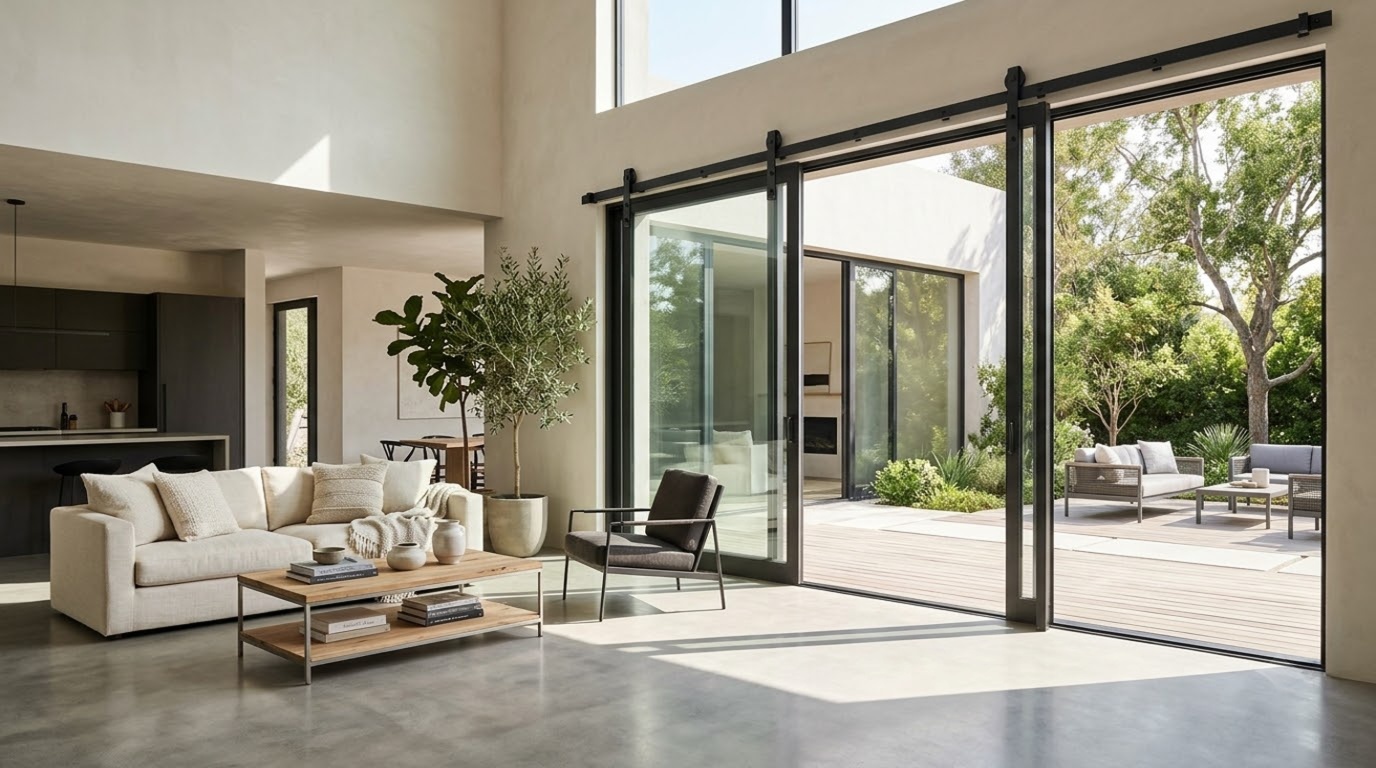
Sliding doors have become a popular choice in modern residential, commercial, and architectural spaces. They offer a practical way to connect rooms, divide areas, and maximise available floor space without requiring the clearance needed by traditional hinged doors. However, the overall performance and appearance of a sliding door depend on more than the door panel itself. The hardware used to install and operate the system plays an important role in its functionality, durability, and visual appeal.
Architectural sliding door hardware includes the components that allow sliding doors to move smoothly along a track while maintaining proper alignment and support. These components are available in different designs, materials, and finishes to suit various architectural styles. Choosing suitable hardware helps create a functional door system that complements the surrounding interior.
What Is Architectural Sliding Door Hardware?
Architectural sliding door hardware refers to the mechanical components used to install, support, guide, and operate sliding doors in residential and commercial buildings. These systems are designed to provide controlled door movement while supporting the weight and dimensions of the door panel.
Common components include:
- Sliding door tracks and rails.
- Rollers and wheel assemblies.
- Door guides and brackets.
- Track stoppers and end stops.
- Soft-close mechanisms.
- Handles and locking systems.
- Mounting plates and fixing accessories.
Each component performs a specific function. For example, tracks provide the pathway for movement, while rollers allow the door to glide along the system. Guides help maintain alignment, and stoppers prevent the door from travelling beyond its intended position.
Why Is Quality Sliding Door Hardware Important?
Selecting suitable hardware is essential for achieving a reliable and functional sliding door installation. Poorly matched components may result in uneven movement, excessive noise, alignment problems, or premature wear.
Smooth and Controlled Door Movement
A properly designed track and roller system allows the door to move with minimal resistance. Smooth movement makes everyday operation easier, particularly in areas where doors are opened and closed frequently.
Better Space Utilisation
Unlike hinged doors, sliding doors move along a horizontal track. This eliminates the need for a swinging clearance area, making them suitable for compact rooms, apartments, offices, and open-plan interiors.
Improved Interior Appearance
Modern sliding door systems are available in minimalist designs that complement contemporary architectural styles. Carefully selected hardware can create a clean and organised appearance while allowing the door panel to become an important design feature.
Long-Term Functionality
Suitable materials, correct installation, and regular maintenance help extend the service life of sliding door systems. Hardware designed for the intended door weight and usage frequency is less likely to experience unnecessary strain.
What Types of Sliding Door Systems Are Available?
Different architectural projects require different sliding door configurations. Understanding the available options helps homeowners, designers, and builders select a suitable system.
Top-Mounted Sliding Door Systems
Top-mounted systems use an overhead track to support and guide the door. Rollers are generally attached to the upper section of the door, allowing it to travel along the mounted rail.
These systems are commonly used for internal room dividers, wardrobe doors, and contemporary residential spaces.
Concealed Sliding Door Systems
Concealed systems are designed to keep much of the operating mechanism hidden from view. They are suitable for interiors where a clean, minimalist appearance is preferred.
Depending on the design, the track and supporting components may be integrated into the ceiling, wall, or door structure.
Glass Sliding Door Systems
Glass sliding doors are frequently used in offices, commercial spaces, and modern homes. They allow natural light to travel between areas while maintaining separation when required.
These installations need hardware specifically designed for the glass panel’s thickness, weight, and mounting requirements.
Heavy-Duty Sliding Door Systems
Heavy-duty systems are designed for larger or heavier door panels. They are commonly used in commercial buildings, architectural installations, and applications where doors experience frequent operation.
The load capacity of the complete system should always match the actual door specifications.
How Do You Choose the Right Hardware for a Sliding Door?
Selecting appropriate components involves considering several technical and design factors.
Door Weight and Dimensions
The weight and size of the door panel are among the most important considerations. Every sliding system has a specified load capacity. Choosing hardware that cannot adequately support the door may affect movement, alignment, and safety.
Always check the manufacturer’s weight ratings before purchasing components.
Material and Construction
Hardware materials influence durability, appearance, and resistance to wear.
Stainless steel is commonly selected for its strength and corrosion resistance. Aluminium is a lightweight option used in various architectural applications, while other metal finishes may suit particular interior designs.
The appropriate material depends on the installation environment and expected usage.
Track Length and Installation Space
The track must provide sufficient travel distance for the door to open and close correctly. Measurements should account for the door width, available wall space, mounting position, and any architectural obstructions.
Accurate measurements help prevent installation difficulties.
Safety and Soft-Close Features
Soft-close mechanisms help slow the door near the end of its travel, reducing sudden impacts. Depending on the system, additional features may include anti-jump devices, secure mounting components, and end stops.
These features can improve everyday usability when correctly selected and installed.
What Should You Consider During Installation?
Correct installation is essential for the performance of a sliding door system. Even high-quality components may not function properly if the track is incorrectly positioned or the supporting structure is unsuitable.
Before installation, check the following:
- Measure the door opening and available mounting space accurately.
- Confirm that the wall, ceiling, or supporting structure can handle the required load.
- Ensure the track is level and securely fixed.
- Install rollers and guides according to the manufacturer’s instructions.
- Check door alignment and movement before completing the installation.
- Test stoppers and soft-close mechanisms where fitted.
For large, heavy, or specialised architectural doors, professional installation is recommended to ensure the system is properly supported.
How Can You Maintain Sliding Door Hardware?
Regular maintenance helps preserve smooth operation and reduces the risk of unnecessary wear.
Keep the track free from dust, dirt, and debris because accumulated particles can affect roller movement. Inspect mounting points, guides, stoppers, and rollers periodically for visible damage or looseness.
Clean metal components using suitable products recommended by the manufacturer. Avoid applying unsuitable lubricants, as some products may attract dust or damage particular components.
If a door becomes difficult to move, produces unusual noises, or appears misaligned, inspect the system and address the issue before continued use causes further damage.
Frequently Asked Questions
What components are required for a sliding door system?
A typical system includes a track, rollers, mounting brackets, guides, stoppers, and suitable handles or locking accessories. Additional components depend on the door design and installation requirements.
Are sliding doors suitable for commercial buildings?
Yes. Sliding doors are used in offices, retail spaces, hospitality venues, and other commercial environments. The selected system should match the door dimensions, expected usage, and relevant safety requirements.
Is stainless steel suitable for sliding door hardware?
Stainless steel is a popular material because of its strength and corrosion resistance. However, the appropriate grade should be selected according to the installation environment and exposure conditions.
What is a soft-close sliding door mechanism?
A soft-close mechanism slows the door as it approaches the end of its travel. This helps reduce sudden impacts and creates a more controlled closing experience.
How often should sliding door systems be maintained?
Maintenance frequency depends on usage, environmental conditions, and manufacturer recommendations. Regular cleaning and periodic inspections help identify problems before they affect normal operation.
Conclusion
Sliding doors combine practical space management with modern architectural design. Their performance depends on selecting suitable tracks, rollers, guides, mounting components, and safety features that match the door’s weight and intended application.
Choosing quality architectural sliding door hardware helps create a smooth, functional, and visually appealing installation. By considering material quality, load capacity, installation requirements, and regular maintenance, homeowners, builders, and designers can achieve sliding door systems that support both everyday convenience and long-term performance.